Ally Van Iten Leads House of Colour USA Into Support-Led Franchise Expansion
House of Colour USA is entering a new phase of franchise expansion after strengthening the support model behind its stylist-owner network.

House of Colour official image from its stylist and consultant opportunity page.
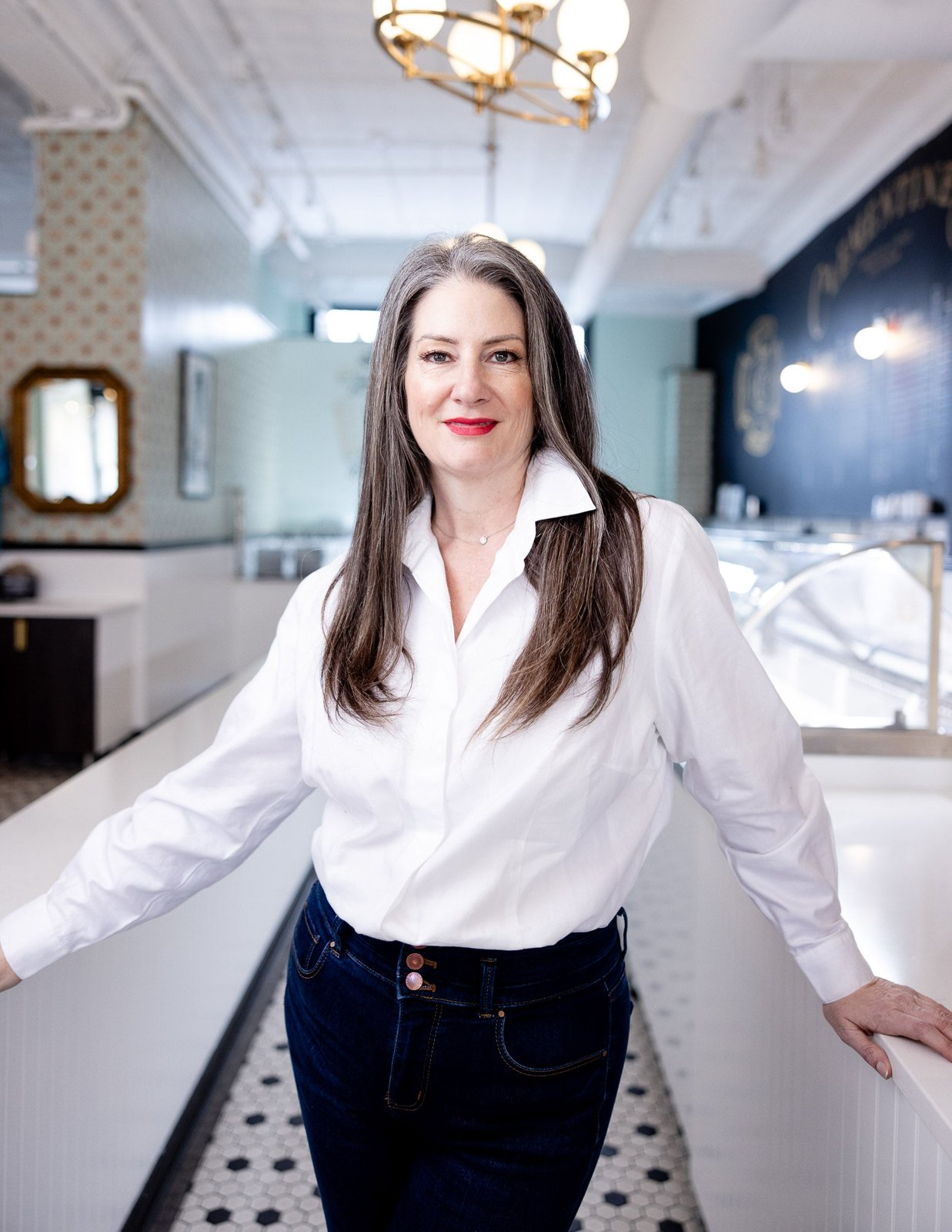
House of Colour USA is entering a new phase of franchise expansion after spending several years strengthening the support model behind its stylist-owner network, putting chief executive Ally Van Iten at the centre of a useful founder-and-operator lesson for emerging service brands.
The company said on 31 July that it had awarded 45 new franchise territories over the past year through organic demand, without paid franchise development marketing. It also said nearly 30 percent of franchisees have expanded into multiple territories. Those numbers matter because they point to a franchise story that is not only about selling more markets. House of Colour is arguing that owner confidence, repeat investment and operating support are the real indicators of whether a personal-services concept is ready to scale.
Van Iten's role gives the announcement its operator angle. The company said she built her own House of Colour business before becoming chief executive of the US system. That experience matters for prospective franchisees because the support promises in a franchise brochure often sound similar across brands. A leader who has actually opened and run the model is more likely to understand the friction points that new owners face: training time, client acquisition, local reputation, scheduling, confidence in pricing, and the move from enthusiastic solo consultant to disciplined business owner.
House of Colour was founded in London in 1985 and provides personal styling services through franchise owners using proprietary color analysis, training, technology and ongoing support. The company's growth pitch sits in a service category that has benefited from social media, personal-branding pressure and consumer interest in more personalized shopping help. But personal styling is also a trust-heavy business. Clients are not only buying a product; they are inviting advice on appearance, confidence and identity. That makes franchisee selection and training especially important.
The strategic choice to slow down before accelerating is the most relevant piece for the wider franchise market. Many founder-led and personality-led brands feel pressure to franchise once demand appears. House of Colour is presenting a different order of operations: strengthen systems, train owners, refine support, then push harder on territory growth. That is not as dramatic as a sudden national rollout, but it is often healthier for service franchises where inconsistent early owners can weaken the brand before the model has matured.
The multi-territory statistic also deserves attention. When existing franchisees buy additional territory, it can indicate confidence in unit economics and franchisor support. It can also create new management challenges if owner-operators stretch too far before building a team. House of Colour's next test is therefore not simply whether it can award another 45 territories. It is whether it can help owners move from individual expertise to local enterprise without losing the personal connection that makes the service appealing.
For Franchise Market News readers, House of Colour's update is a reminder that franchise expansion is strongest when the founder story becomes an operating system. Van Iten's former owner-operator perspective gives the brand a credible way to talk about support. The commercial test now is whether that support can keep pace as more stylists, more markets and more multi-territory owners join the network.
"Franchise expansion is strongest when the founder story becomes an operating system."