BaseCamp Franchising Opens 16 Stores As Uptown Cheapskate And Kid To Kid Reach 300
BaseCamp Franchising says Uptown Cheapskate and Kid to Kid opened 16 stores across 10 states in the first half of 2026, signed 35-plus new franchise agreements and reached a 300-store milestone in Weatherford, Texas.
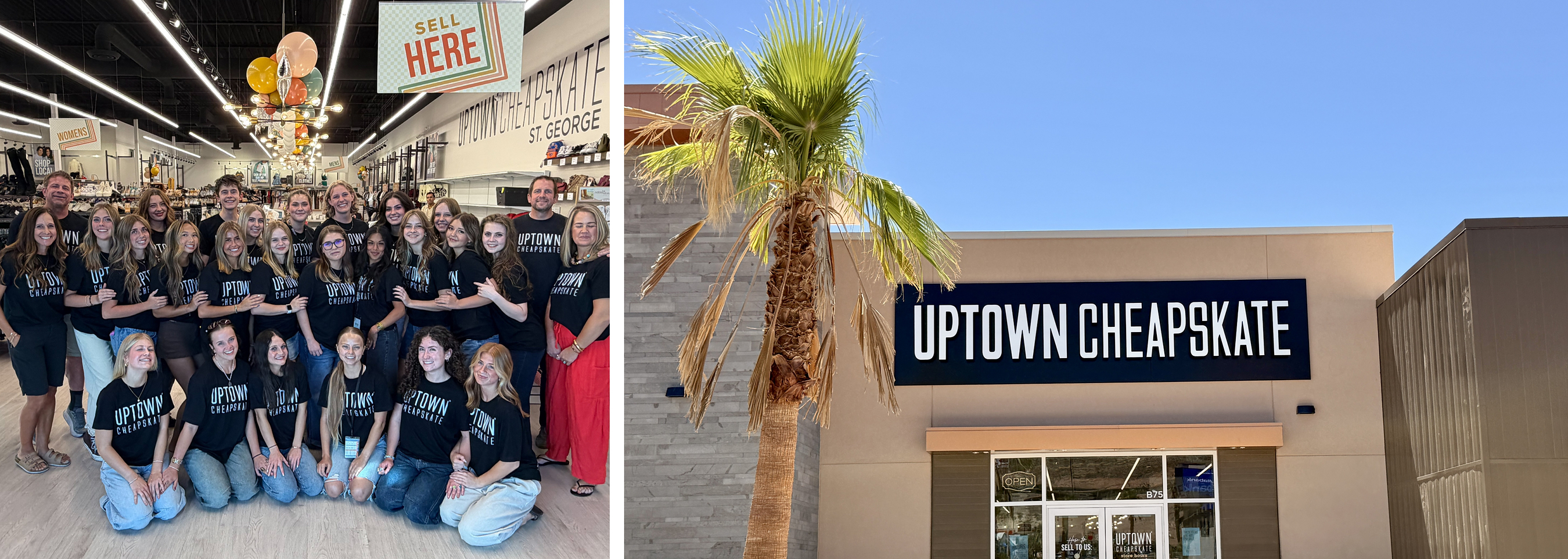
The Uptown Cheapskate St. George, Utah team celebrates a July 2026 grand opening during BaseCamp Franchising's first-half expansion.
BaseCamp Franchising has corrected and restated a strong first-half growth update for its resale retail brands, saying Uptown Cheapskate and Kid to Kid opened 16 stores across 10 states and recently celebrated the company's 300th store in Weatherford, Texas. The 21 July correction matters because the release changed the number of franchise agreements signed from 45-plus to 35-plus. That is still a substantial first-half total, but the correction is important for a franchise publication because development counts are a core signal buyers, lenders and competitors watch closely.
The story gives Franchise Market News a retail-franchising angle at a time when secondhand apparel continues to sit at the intersection of value shopping, sustainability and local ownership. BaseCamp is the parent company behind Uptown Cheapskate, an upscale resale concept focused on young-adult and current fashion, and Kid to Kid, a children's resale brand. The company says the two concepts now operate 300 stores across 33 U.S. states and several international markets, with more than 50 additional stores under development. That scale makes the first-half update more than a local opening notice.
The corrected release says the 35-plus franchise agreements came from a combination of existing franchisees expanding their portfolios and new franchisees opening their first stores. That mix is a useful health indicator. Existing operators signing more territory suggests internal confidence, while new buyers entering the system suggests the category is still attracting fresh candidates. BaseCamp also says several multi-unit agreements came from operators with backgrounds in off-price retail, multi-unit operations, corporate leadership and finance. For resale concepts, that experience can matter because the business is more operationally complex than a standard apparel shop.
Resale stores have to manage buying, pricing, merchandising, customer flow, inventory quality, shrink, labor and local demand patterns. A franchise system can provide playbooks, technology and brand standards, but each store still has to build trust with sellers and shoppers. Customers need to believe they can bring items in fairly, receive transparent offers and find merchandise that feels curated rather than chaotic. That is why BaseCamp's positioning around an upscale, vibrant retail environment is central to the franchise story.
The company is also using broader market data to support expansion. The release cites ThredUp's 2026 Resale Report, saying the U.S. secondhand apparel market has grown nearly four times faster than the broader retail clothing market and is expected to reach nearly $80 billion by 2030. That external trend does not guarantee unit performance, but it explains why resale remains attractive to franchise investors. A tighter household budget can make value retail more relevant, while sustainability language gives the category another customer hook.
BaseCamp's next regional focus includes the Northeast, following Uptown Cheapskate's first Massachusetts location in Weymouth, which opened in March. The company says additional multi-unit development is planned in New York, New Jersey and other states. For franchise candidates, the corrected first-half update offers a clear takeaway: resale retail is no longer a fringe franchise category. It is becoming a scaled, multi-brand platform where disciplined store operations, technology and regional development strategy matter as much as the appeal of secondhand shopping.