Chad And Lauren Coulter Use Maple Street Acquisition To Triple Biscuit Belly Footprint
Biscuit Belly says it has acquired 34 Maple Street Biscuit Company locations, a deal that would lift the Louisville-founded brand past 60 units by the end of 2028.
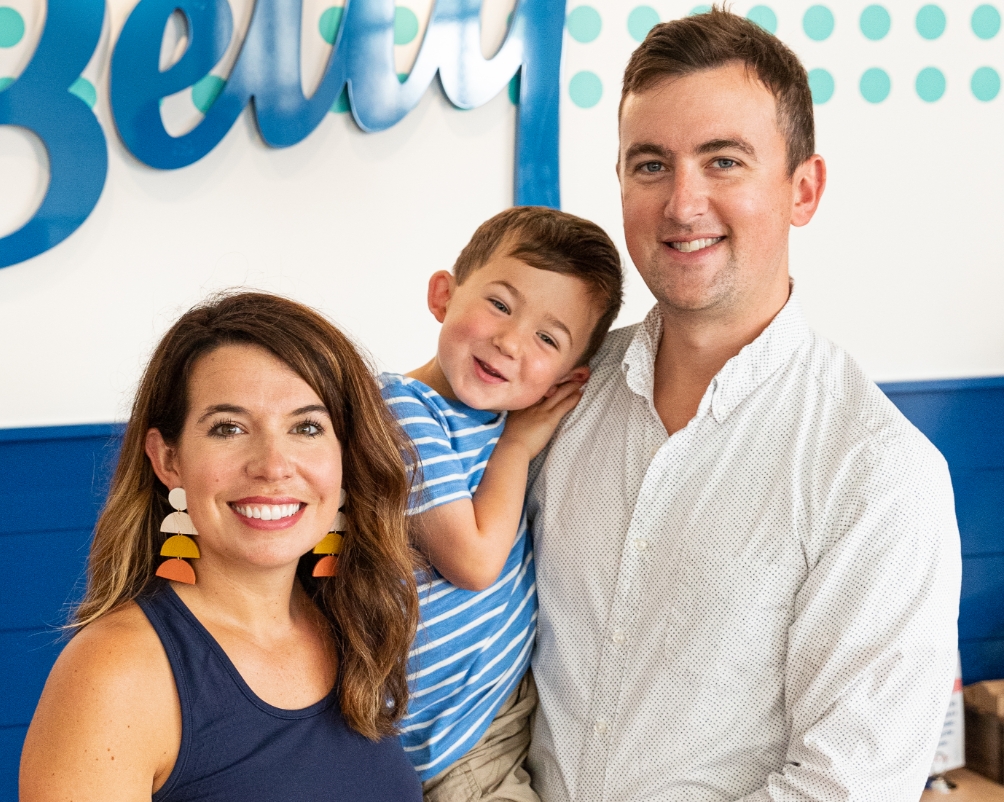
Biscuit Belly co-founders Chad and Lauren Coulter are using the Maple Street Biscuit Company acquisition to accelerate the brand's footprint.
Biscuit Belly says it has acquired 34 Maple Street Biscuit Company locations, a deal that would lift the Louisville-founded brand to more than 60 units by the end of 2028 if planned conversions proceed on schedule.
The company said the acquired restaurants will be converted to Biscuit Belly over 18 to 24 months. The move follows Cracker Barrel's earlier decision to divest Maple Street, and it gives Biscuit Belly a rapid expansion path that would be difficult to match through traditional greenfield openings alone. For co-founders Chad and Lauren Coulter, the transaction turns a regional breakfast-and-brunch franchise into a much larger platform almost overnight.
Biscuit Belly opened its first restaurant in 2019 and has built around a Southern-inspired menu with biscuits at the centre of the concept. The brand currently operates 15 locations, according to its announcement, so the Maple Street acquisition is a major step-up in complexity. Converting 34 restaurants is not the same as opening 34 newly built units. The company will need to manage signage, menus, training, equipment fit, supplier alignment, local customer expectations and franchisee or operator transitions while keeping existing stores trading.
Chad Coulter described the deal as a way to accelerate the company's goal of becoming a leading gourmet biscuit brand in the United States. Lauren Coulter, whose public role with the brand is tied closely to product and culture, framed the move around hospitality and food quality. Those founder messages matter because acquisitions can dilute a brand if the buyer treats conversion as a purely mechanical rebrand. Biscuit Belly's challenge is to make former Maple Street restaurants feel like authentic Biscuit Belly locations, not merely new signs on old assets.
The deal also says something about food franchising in 2026. Growth capital, real estate availability and labour costs have made large-scale new-unit development more expensive for many brands. Acquiring and converting existing restaurant assets can offer faster market entry, but it carries risk. Existing customers may resist the change, local teams may need retraining, and sites that worked for one brand may not automatically suit another. The economics depend on whether Biscuit Belly can improve sales and margins enough to justify the conversion work.
For franchisees and investors, the acquisition is a reminder that emerging brands can scale through consolidation as well as unit-by-unit franchise sales. It may also create a stronger recruitment story if Biscuit Belly can show a larger footprint, broader brand awareness and experienced operating infrastructure. But the company will now be judged on integration discipline. A 15-unit brand can often rely heavily on founder involvement. A 60-unit system needs repeatable playbooks, field support and leadership depth.
The acquisition gives Biscuit Belly a larger stage, but it also compresses years of growth pressure into the next two years. If the conversions are handled carefully, Chad and Lauren Coulter could turn the brand into one of the more visible breakfast franchise expansion stories in the market. If execution slips, the same deal could expose the strain that comes with scaling too quickly.