Celebree Founder Turns Top 400 Climb Into Franchisee Quality Case
Celebree School has climbed again on the 2026 Franchise Times Top 400, with founder Richard Huffman using the recognition to underline selective franchisee growth.
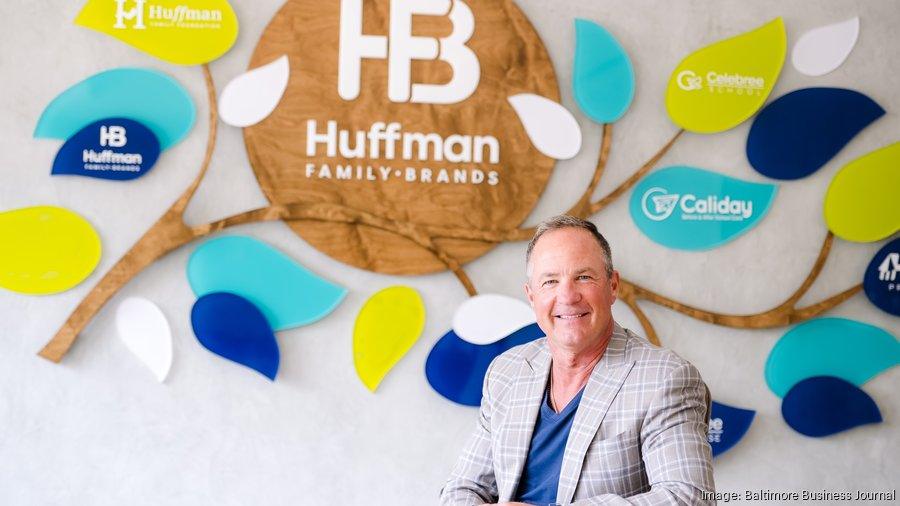
Richard Huffman, founder and CEO of Celebree School.
Celebree School is turning another Franchise Times Top 400 climb into a founder-led message about how the early education franchise wants to grow.
The Baltimore-based brand said it has moved up the 2026 Top 400 for a third straight year. The recognition comes seven years after Celebree launched its franchise program in 2019, giving the system a useful marker of scale as it continues to expand schools in high-demand education and childcare markets.
The headline number is not the only point. Celebree said it has risen 84 places since 2023, including 39 spots on the 2024 list, another 35 in 2025 and 10 more this year. The brand also said its school count grew by one-third in 2025, with 16 new franchise agreements and 15 school openings.
For Franchise Market News readers, the more interesting part is how founder and CEO Richard Huffman is framing that growth. Huffman said the ranking shows the model is working, but emphasized the franchisees building lasting local businesses behind the climb. He also pointed to the company's candidate selection process, saying prospective franchisees meet personally with leadership because school ownership is a personal decision.
That is a meaningful distinction in childcare franchising. A preschool franchise is not a simple retail box. It depends on parent trust, staff quality, regulatory compliance, curriculum delivery, real estate fit and local reputation. The operator has to be comfortable with both business discipline and community responsibility.
Celebree's origin gives the announcement a founder story as well as a ranking story. Huffman founded Celebree in 1994, long before the franchise offering launched. The company says it now operates around infant and toddler care, preschool, before and aftercare, and summer camp programs, with its franchise platform built around the same early education base.
The brand is targeting major metropolitan and emerging growth markets, including Atlanta, Boston, Chicago, Cleveland, Columbus, Denver, Indianapolis and Phoenix. Those markets make sense for a childcare concept if household growth, workforce needs and real estate conditions align. They also raise the pressure on franchisee selection because a weak operator can damage parent confidence quickly.
Celebree is also using economics and incentives as part of its current franchise pitch. The company pointed to an April 2026 Franchise Disclosure Document reporting $2.26 million average unit volume for mature company-operated schools in Maryland and Delaware, while also noting a royalty incentive for new franchise owners. Those details are useful signals, but they remain starting points for due diligence rather than guarantees.
The broader market backdrop helps explain why the brand is leaning into franchisee quality. Childcare demand is increasingly discussed as community infrastructure, not just a private service. Employers, municipalities, landlords and families all feel the effects when reliable early education is hard to find. That can create opportunity for operators, but it also means the category carries more public trust than many consumer-service niches.
For Celebree, the Top 400 climb is therefore more than a badge. It gives Huffman a platform to argue that scale should be tied to careful ownership, leadership involvement and support systems that help franchisees run durable schools.
The test now is whether that discipline holds as the brand keeps entering new markets. If Celebree can pair faster growth with strong local operators, the ranking will look like evidence of a maturing education franchise. If selection standards slip, the same growth pace could become a strain on the system it is trying to showcase.