Domino's Brazil Moves Final 22 Company Stores To Franchise Partners Under Vinci Compass
Domino's Brazil is transferring its final 22 company-owned outlets to franchise partners as Vinci Compass pushes toward a capital-light, fully franchised growth model.
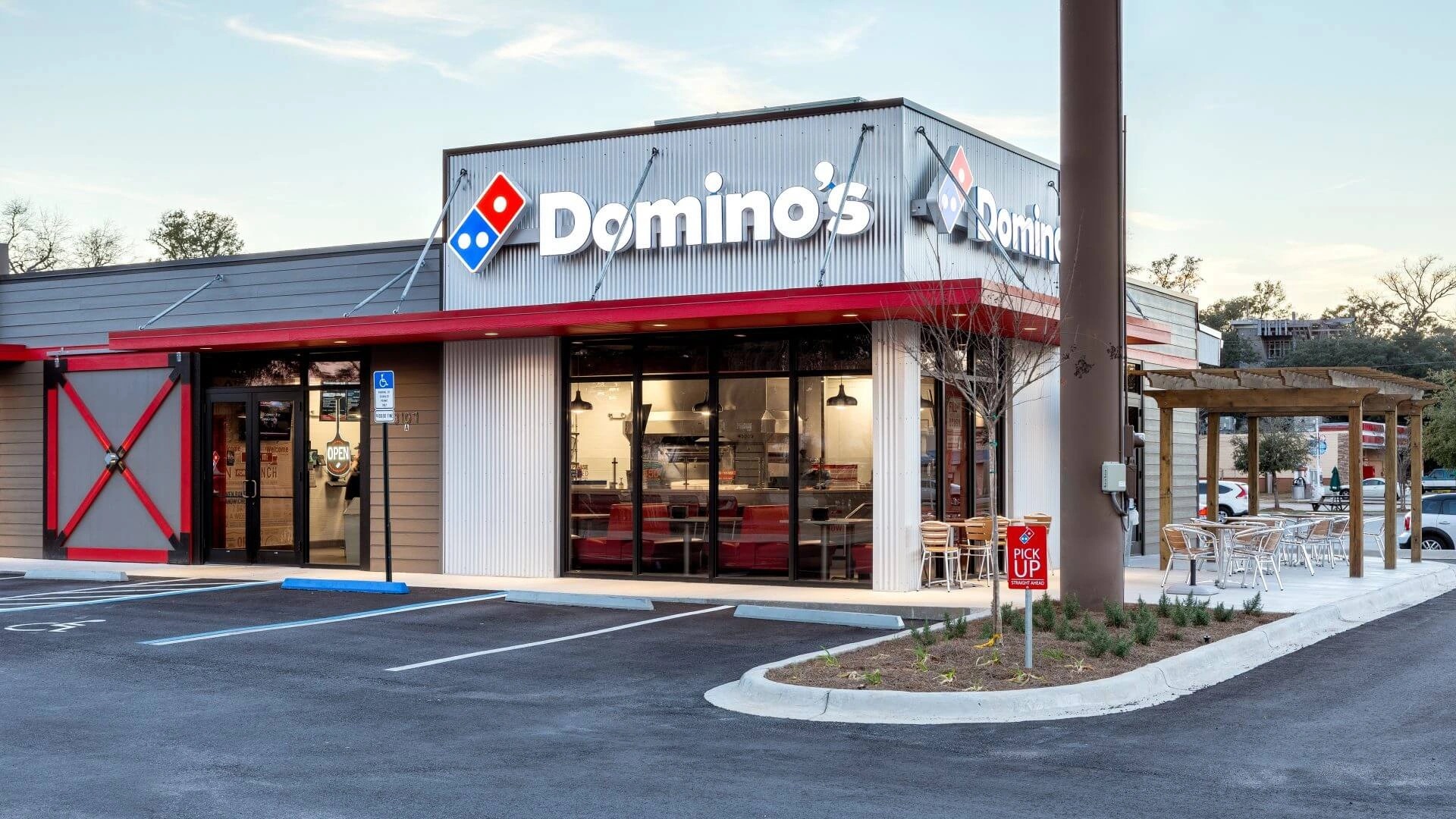
Domino's Brazil is shifting its remaining company-owned outlets to franchise partners.
Domino's Brazil is moving to a fully franchised structure, transferring its final 22 company-owned outlets to franchise partners as owner Vinci Compass pushes the chain toward a more capital-light growth model.
The Rio Times reported on June 29 that the move will leave Vinci Compass with the master franchise and supply chain while franchisees take on the cost of opening and operating restaurants. Domino's Brazil currently has about 220 stores and is targeting roughly 370 within three years, with expansion focused on smaller interior cities.
The shift is important because it shows how franchising can become more attractive when interest rates make company-funded expansion expensive. The Rio Times reported that Brazil's Selic benchmark rate remains high at 14.25 percent, even after cuts from a near-two-decade peak of 15 percent. In that environment, capital tied up in company-operated restaurants can become difficult to justify.
By moving the last company outlets into franchisee hands, Domino's Brazil can concentrate on royalties, supply-chain revenue and brand oversight. Franchisees carry more of the local capital burden, while the master franchise operator keeps the infrastructure and system economics. That is close to the broader Domino's global model, where independent operators run the overwhelming majority of stores.
The company is also reported to have worked on store-level economics. The Rio Times said Domino's Brazil has been re-engineering the model for a high-rate market, including changes such as scrapping a central pasta factory so stores make their own dough, switching to a locally built oven and developing an in-house ordering app. The article said the app now drives close to a quarter of sales.
Those details matter because a franchise model only works if the entry ticket and operating model make sense for franchisees. The Rio Times reported that compact kiosk and small-store layouts have reduced the entry cost to about R$400,000, compared with more than R$1 million for an older, larger store. Lower buildout costs may be especially important if Domino's wants to expand into cities of under 150,000 people, where sales potential and real estate economics differ from major metropolitan areas.
The growth target is ambitious. Moving from about 220 stores to roughly 370 would mean adding about 150 outlets in three years. The Rio Times also reported that Domino's Brazil recorded R$650 million in 2025 revenue and is targeting more than R$750 million this year, which would represent an increase of about 15 percent.
For franchisees, the opportunity will depend on whether lower capital costs, supply-chain support and digital ordering can offset the risks of smaller markets. For Vinci Compass, the model could free capital while still capturing upside from network growth. For competitors, it raises the pressure to show whether company-run stores, larger formats or slower expansion can compete with a leaner franchise-led approach.
The move also shows how macroeconomic pressure can reshape franchise structures. High rates do not automatically make franchising easy, but they can make asset-light expansion more compelling for brands with enough operational discipline. Domino's Brazil is now betting that its next phase of growth will come less from owning stores directly and more from making the franchise case work for local operators across Brazil's interior.
"High rates do not automatically make franchising easy, but they can make asset-light expansion more compelling."