Fitstop's Houston Deal Shows Global Fitness Brands Still See The U.S. As The Prize
Australian functional fitness franchise Fitstop has secured a multi-site Houston deal, treating Texas as the next proving ground for its U.S. growth.

Performance training studio with Houston growth map and group fitness energy
Australian functional fitness franchise Fitstop has secured a multi-site deal in Houston, marking a significant step in its United States growth strategy and giving the brand a foothold in one of the country's largest and fastest-growing metropolitan markets. The June 5 update and a Fitstop press release describe Houston as the brand's Texas entry point, building on seven existing U.S. locations across California and Philadelphia and another Los Angeles studio planned for next month.
For international franchising, the story is straightforward: the U.S. remains the prize market for many global fitness concepts. It is large, competitive, expensive, and difficult, but it offers density, consumer spending, multi-unit operators, and deep experience with boutique fitness. A brand that can prove itself in the U.S. has a stronger case for franchise credibility elsewhere.
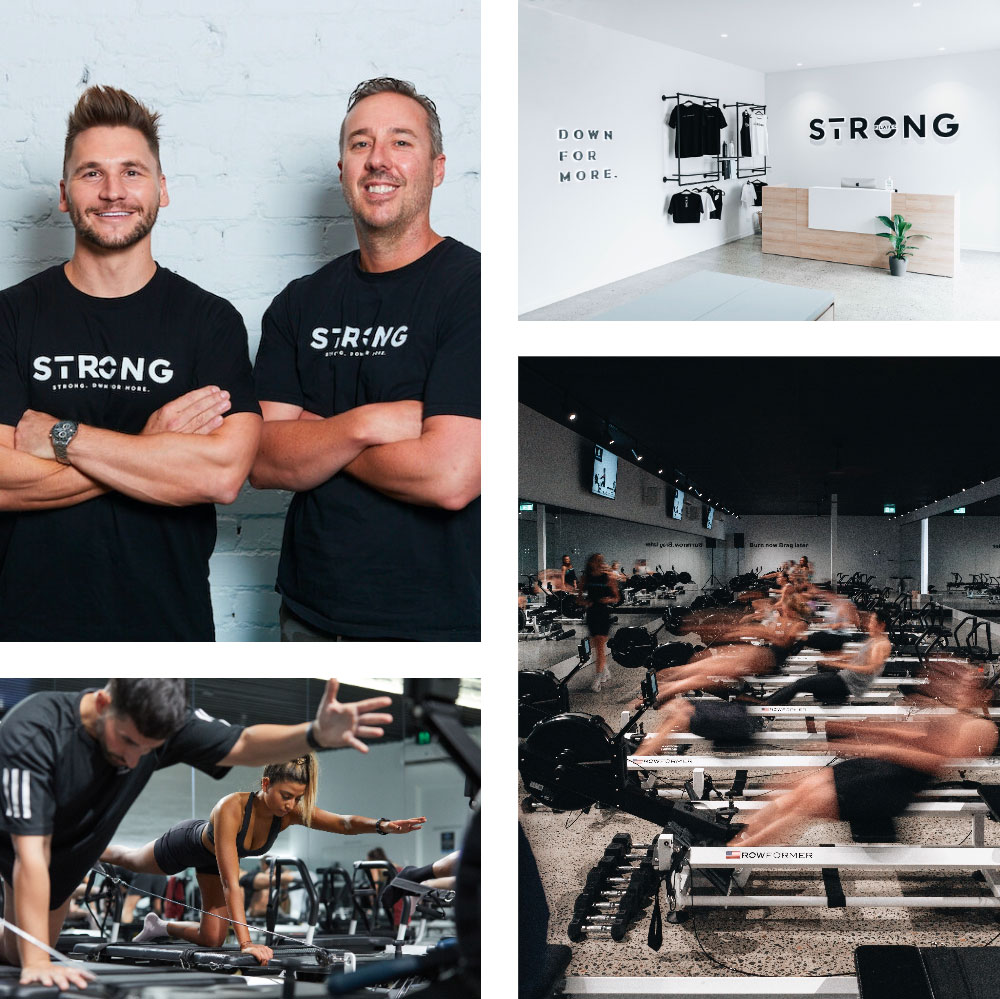
Fitstop's pitch is centered on structured, coach-led strength and conditioning in a community environment. The brand says it has more than 170 locations across Australia, New Zealand, Singapore, and the United States. That international base gives the company proof of concept, but the U.S. market still requires adaptation. Consumers have no shortage of options, from big-box gyms and Pilates studios to high-intensity concepts, recovery brands, personal training, and digital fitness.
The Houston deal is notable because it lines up with several current demand signals. Strength training has become a major category driver, and many consumers are looking for measurable progression rather than passive wellness messaging. Fitstop's leadership framed the U.S. opportunity around a shift toward structured, results-driven training. That is a clear positioning choice in a market where boutique fitness customers often want coaching, community, and visible progress.
Houston also makes sense as a growth market. It has scale, sports culture, suburban expansion, and a large base of potential members and franchise partners. A multi-site agreement can help the brand build local awareness faster than a single isolated studio, especially if locations are clustered well and operators can share market knowledge, staffing pipelines, and promotional momentum.
The key challenge is whether the model can be both premium and scalable. Functional training concepts need excellent coaching, programming consistency, strong member retention, and enough community energy to justify membership spend. If a studio feels generic, members can switch to another gym. If the experience feels disciplined and social, the franchisee may have a durable local asset.
International brands entering the U.S. also need disciplined franchise support. Real estate, labor, insurance, marketing, and customer expectations differ by state and city. A concept that works in Brisbane or Auckland may need playbook adjustments for Houston. The franchisor has to know which parts of the model are core and which parts can flex.
For the wider franchise market, Fitstop's Houston move is a reminder that cross-border franchising is active in both directions. U.S. brands are expanding overseas, while international brands are using the American market to validate themselves at a larger scale. If Fitstop can turn Houston into a repeatable cluster, it will strengthen the case that performance-led fitness franchising still has room to grow in a crowded U.S. wellness landscape.
"A brand that can prove itself in the U.S. has a stronger case for franchise credibility elsewhere."