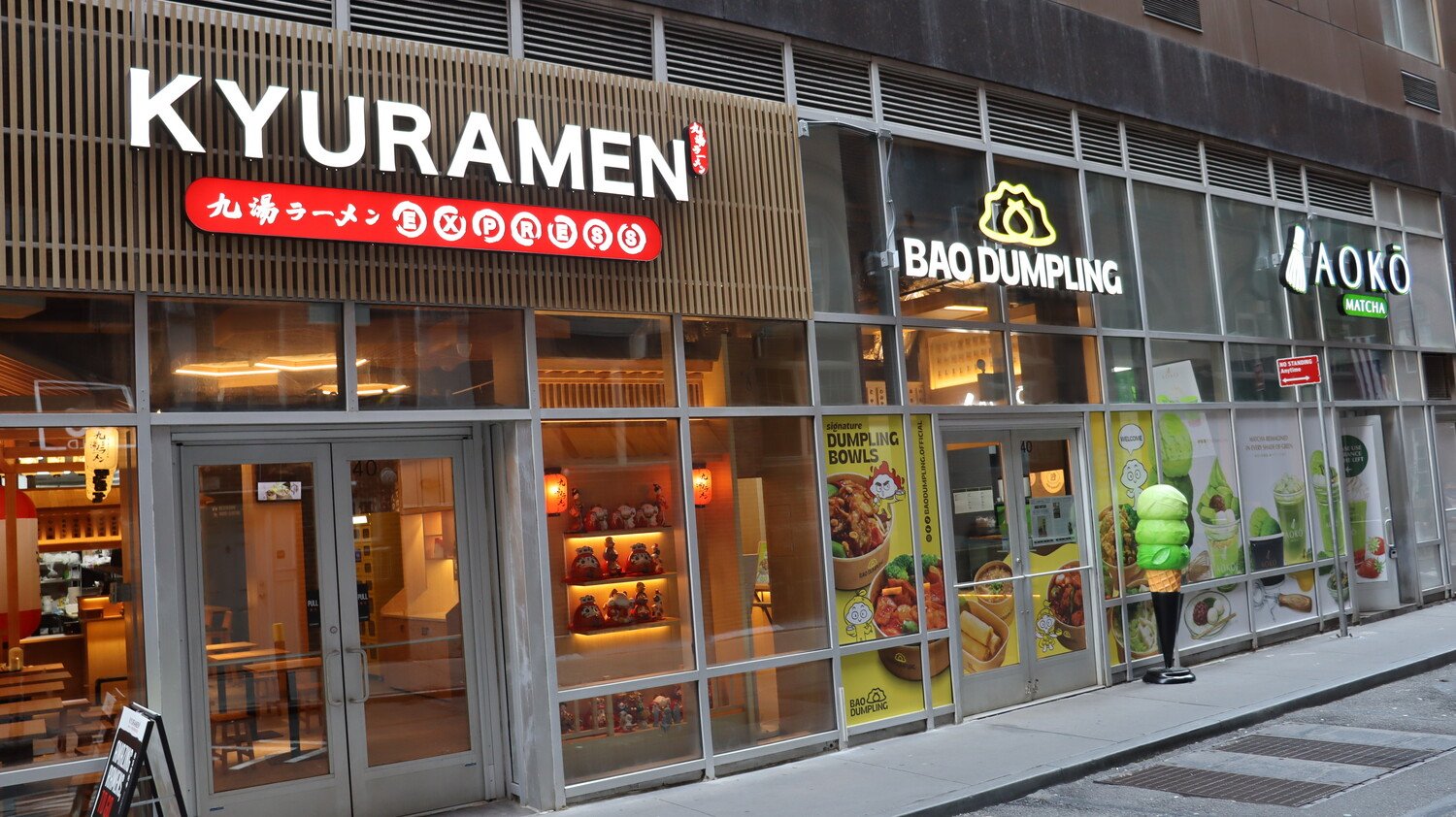
Hospitality Franchises Remain a Popular Pathway for First-Time Business Owners
Cafés, QSRs and dessert brands still draw first-time buyers, but in 2025 they are asking sharper questions about margins, wages and franchisor support.
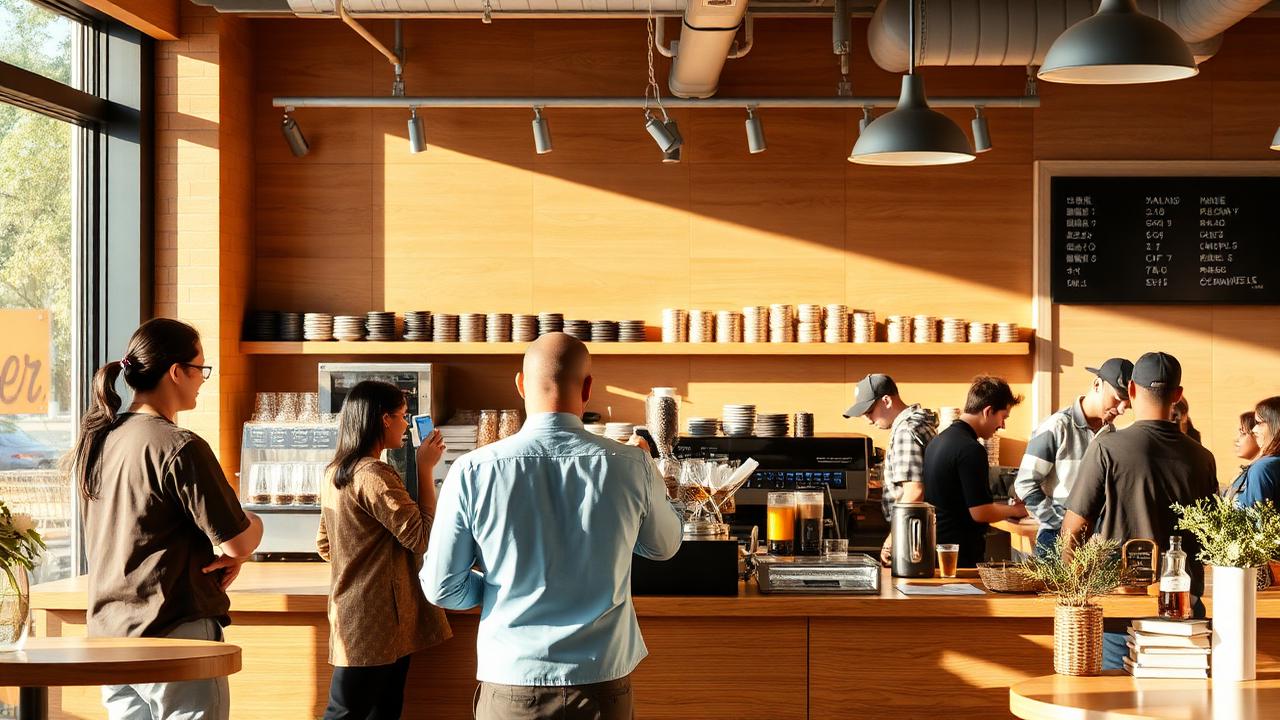
Busy modern café counter with barista serving customers in warm natural light
The hospitality franchise sector continues to attract strong interest from aspiring business owners, despite rising costs, staffing challenges and changing consumer habits.
For many potential franchisees, the appeal is clear. Hospitality is familiar, highly visible and often easier to understand than more technical industries. Cafés, quick-service restaurants, dessert bars, food trucks and casual dining brands all offer something people interact with daily.
But in 2025, buyers are asking sharper questions before signing franchise agreements. Rather than simply choosing a brand they like, potential franchise owners are looking closely at margins, wage costs, food supply, training support and whether the business can survive quieter trading periods.
For Auckland-based prospective franchise buyer Maya T, hospitality still feels like the right fit, but only if the numbers are realistic. "I've always liked the idea of owning a café or food business, but I'm not going into it blind. Rent, wages and ingredients have all gone up. I need to know the franchisor has proper systems and isn't just selling the dream."
That attitude reflects a broader shift in the franchise market. Buyers are still interested in hospitality, but they are becoming more cautious. The days of choosing a brand purely because it looks popular are changing. Strong hospitality franchise systems are now being judged on their operational support as much as their menu.
Potential franchisees want to know how much training they will receive, whether suppliers are locked in at competitive rates, how marketing is handled, and what happens if sales do not meet expectations in the first six months. For Melbourne-based buyer Daniel K, support is the deciding factor. "I don't expect a franchise to be easy. It's still a business. But if I'm paying fees, I want the systems, the supplier deals, the training and the marketing to actually help me. Otherwise I may as well open something by myself."
Hospitality brands with strong name recognition may still have an advantage, particularly in shopping centres, suburban retail strips and high-foot-traffic locations. However, recognition alone is no longer enough. Franchisees are looking for brands that can attract repeat customers, not just one-off visits. Loyalty programs, online ordering, delivery partnerships and local marketing support are becoming increasingly important.
The rise of cost-conscious consumers is also shaping the sector. Customers still want convenience and good food, but they are more aware of price. This has pushed hospitality franchises to focus on value, speed and consistency. For franchise buyers, that creates both opportunity and risk. A well-run hospitality franchise can become a strong local business, especially if it has a loyal customer base and repeat trade. But poor site selection, high labour costs or a weak menu strategy can quickly put pressure on profits.
Christchurch-based prospective operator Leah M said she is only considering brands that can show strong store-level performance. "I'm not interested in a glossy brochure. I want to see what real franchisees are earning, what their costs are, and how long it took them to become stable. Hospitality can be amazing, but the margins have to make sense."
The most attractive opportunities in the hospitality franchise market appear to be those with simple operations, strong branding and clear customer demand. Chicken, coffee, sushi, burgers, healthy takeaway and dessert concepts continue to draw attention, particularly where the menu is focused and easy to execute.
For franchisors, the message is simple: buyers are still interested, but they are more educated. A polished brand and good-looking stores may get attention, but serious franchise candidates now want evidence. They want training, transparent financial expectations, strong onboarding and practical support.
Hospitality franchising remains one of the most visible and emotionally appealing parts of the franchise industry. For many people, owning a food or beverage business still feels exciting, tangible and community-driven. But in the current market, the strongest buyers are not just asking, "Do I like the brand?" They are asking, "Can this business actually work?"
"The strongest buyers are not just asking, 'Do I like the brand?' They are asking, 'Can this business actually work?'"