Emily Chooses Jim's Dog Wash Franchise In Perth After Weighing Independent Startup
Jim's Group has published a new franchisee interview with Emily, a Jim's Dog Wash operator preparing to work in Baldivis in southern Perth, capturing the classic buy-or-build decision service-franchise candidates face.
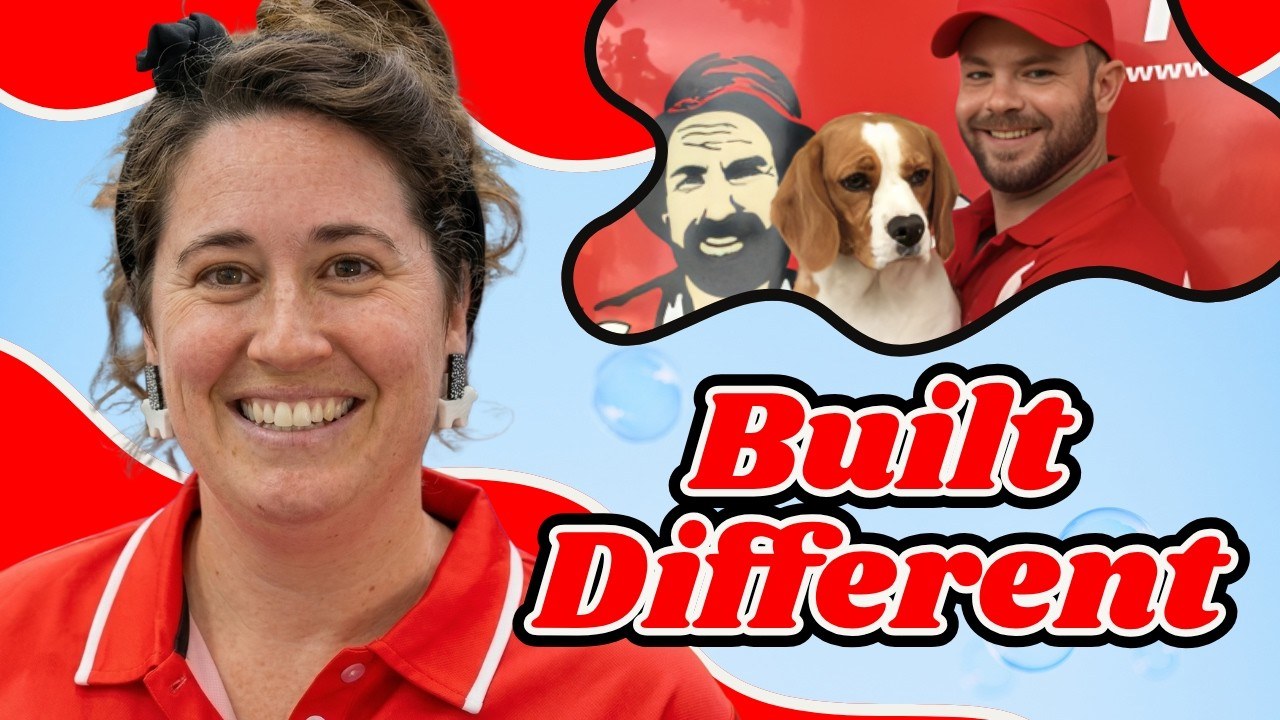
Jim's Group featured new Jim's Dog Wash franchisee Emily in a July 3 franchisee interview.
Jim's Group has published a new franchisee interview with Emily, a Jim's Dog Wash operator preparing to work in Baldivis in southern Perth, Western Australia. The article is brand-owned, so it should be read as a franchisor source rather than independent reporting. Even with that caveat, it is useful for the franchise market because it captures a decision many service-business buyers face: whether to launch independently or buy into a known system with training, equipment, local brand recognition and ongoing support.
Emily's answer was straightforward. She had already decided she wanted to work in dog washing, but she was weighing the independent route against a franchise. The Jim's interview says she chose the franchise because the brand gave her a known name, a support structure and a set fee model, while still allowing her to run a local business. That distinction is central to mobile service franchising. Buyers are not always looking for a corporate-style job. They are often looking for independence with enough structure to avoid starting from zero.
The training section is especially relevant. Emily said she did not know what to expect, partly because she had not worked in dog washing before. She described the training as interesting and informative, and said it gave her practical ideas for building local awareness and encouraging bookings. For a mobile service franchise, that kind of training needs to cover both technical delivery and business development. Washing and grooming skills matter, but so do local marketing, customer trust, scheduling, pricing, equipment readiness and repeat-booking routines.
The article also shows how early-stage owner confidence is built. Emily had given notice at her previous job, completed training steps, and was waiting for her trailer to arrive before launching around the end of March. That transition period is a common pressure point for franchise buyers who are leaving employment to run their own business. The safer the runway, the more likely a new operator can focus on winning early customers instead of worrying about cash flow from day one.
For international franchise readers, the Jim's story is a reminder that Australia continues to be a mature mobile-services franchise market. Jim's Group runs a large network of home and property service divisions, and Dog Wash is one of the longer-running consumer-facing categories. A well-known brand can help a new operator get calls faster, but it also raises customer expectations. Franchisees have to meet the brand promise on every visit, not just win the initial booking.
The broader franchise-market takeaway is that the buy-versus-build decision is rarely just about capital. It is about time to market, confidence, training, marketing, and how quickly a new owner can start serving customers safely. Emily's story is a small but useful data point for service-franchise candidates weighing the same question in 2026.