Joey Gonzalez Rebuilds Chop Stop Franchise With Smaller Footprints And No Plan B
Chop Stop's reset is a founder-style franchise story: whether a salad brand built on small local operators can rebuild its franchise case after COVID.
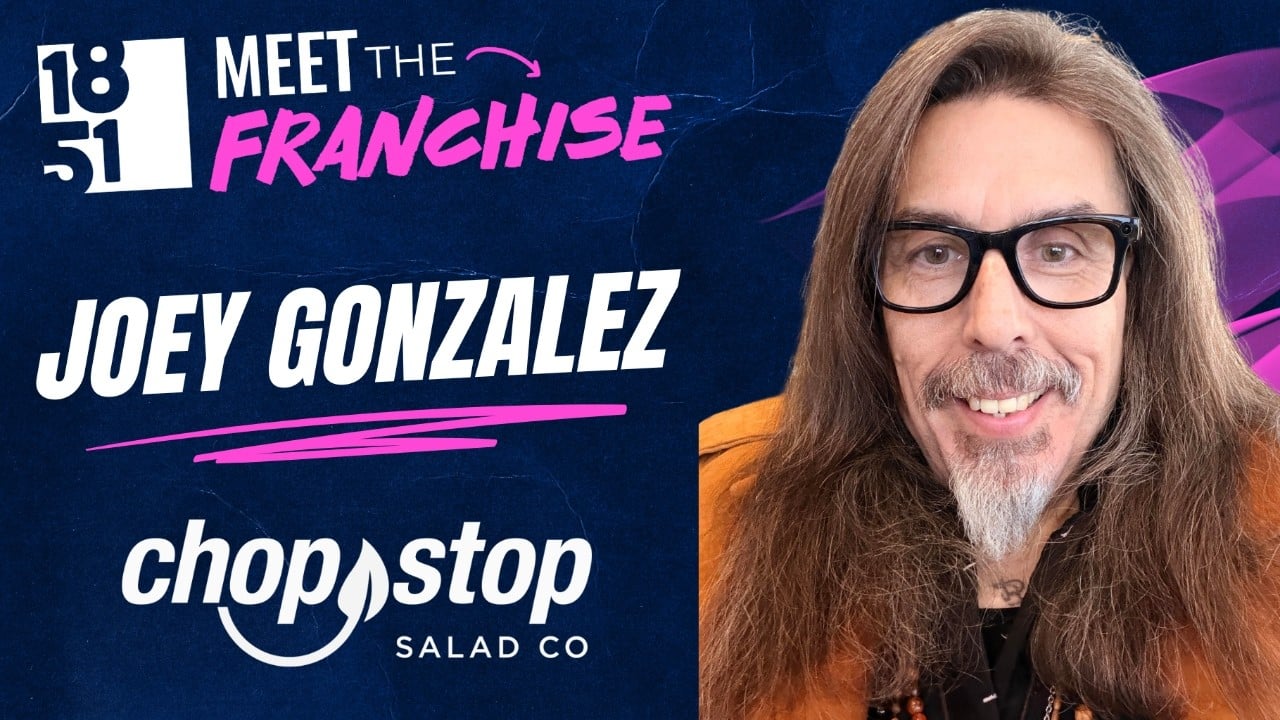
Chop Stop president and owner Joey Gonzalez.
Joey Gonzalez has turned Chop Stop's current reset into a founder-style franchise story because the challenge is not only how many salad restaurants the brand can reopen or sell. It is whether a concept that once grew quickly with small local operators can rebuild its franchise case after a very different restaurant market emerged from COVID.
Gonzalez joined the fast-casual salad company in 2010, helped build its operating systems, training program and franchise model, and later bought the business from its original founder. The chain reached 28 locations by 2019, but its heavy reliance on smaller mom-and-pop franchisees left it exposed when the pandemic hit. Gonzalez said Chop Stop now has 10 locations, including three corporate restaurants and seven franchised stores run by four franchisees in California and Las Vegas.
That smaller system is not the usual growth headline, but it may be the more useful one for franchise readers. Many brands can present a large development target when markets are forgiving. Fewer are willing to talk openly about what happens when the original franchisee profile no longer fits the risk environment. Gonzalez said Chop Stop originally targeted smaller operators because they were deeply invested in the brand. In hindsight, he said, that same profile hurt when COVID arrived because those franchisees did not have the balance sheets of larger restaurant groups.
The brand's next model is being shaped around lower occupancy exposure and more flexible formats. Gonzalez said the company is developing smaller-footprint Chop Stop Smart Kitchens, considering mobile units in markets such as Oregon and Washington, and staying open to co-branding opportunities that could share rent and draw health-focused customers. Those moves point to a broader food-franchise lesson: the franchise agreement is only one part of growth. The box, labor model, delivery mix, catering opportunity and owner-capital profile must also match the market.
For franchise candidates, the most important detail may be Gonzalez's weekly engagement with the remaining franchisees. He described a system where leadership and owners discuss the company's direction as a team. That matters because post-pandemic restaurant franchising has made validation more sensitive. Prospects want to know whether existing operators trust the franchisor, whether field support is practical and whether leadership is honest about economics.
Chop Stop still has a category opportunity. Fresh, made-to-order salads fit consumer interest in convenient healthier food, but the competitive set has widened. Delivery apps made almost every restaurant a competitor for lunch, while fast-casual brands with stronger capital backing have expanded aggressively. Gonzalez's task is therefore to make Chop Stop locally credible again while also reducing the cost and complexity that hurt restaurant franchisees in recent years.
The story belongs in the founder category because Gonzalez is no longer only the operator who built systems for someone else's idea. He is now the owner carrying the brand forward. His "No Plan B" framing is not a slogan by itself; it is a signal that Chop Stop's next chapter will depend on disciplined reinvention, tighter franchisee alignment and a clearer reason for owners and customers to believe the brand can grow again.
"The franchise agreement is only one part of growth."