Mark Nyman Expands Go Mini's Charlotte Footprint As Multi-State Franchise Operator
Go Mini's largest multi-unit franchisee Mark Nyman has added Charlotte to a portable storage portfolio that already spans North Carolina, Oregon, Washington, Idaho and Texas.
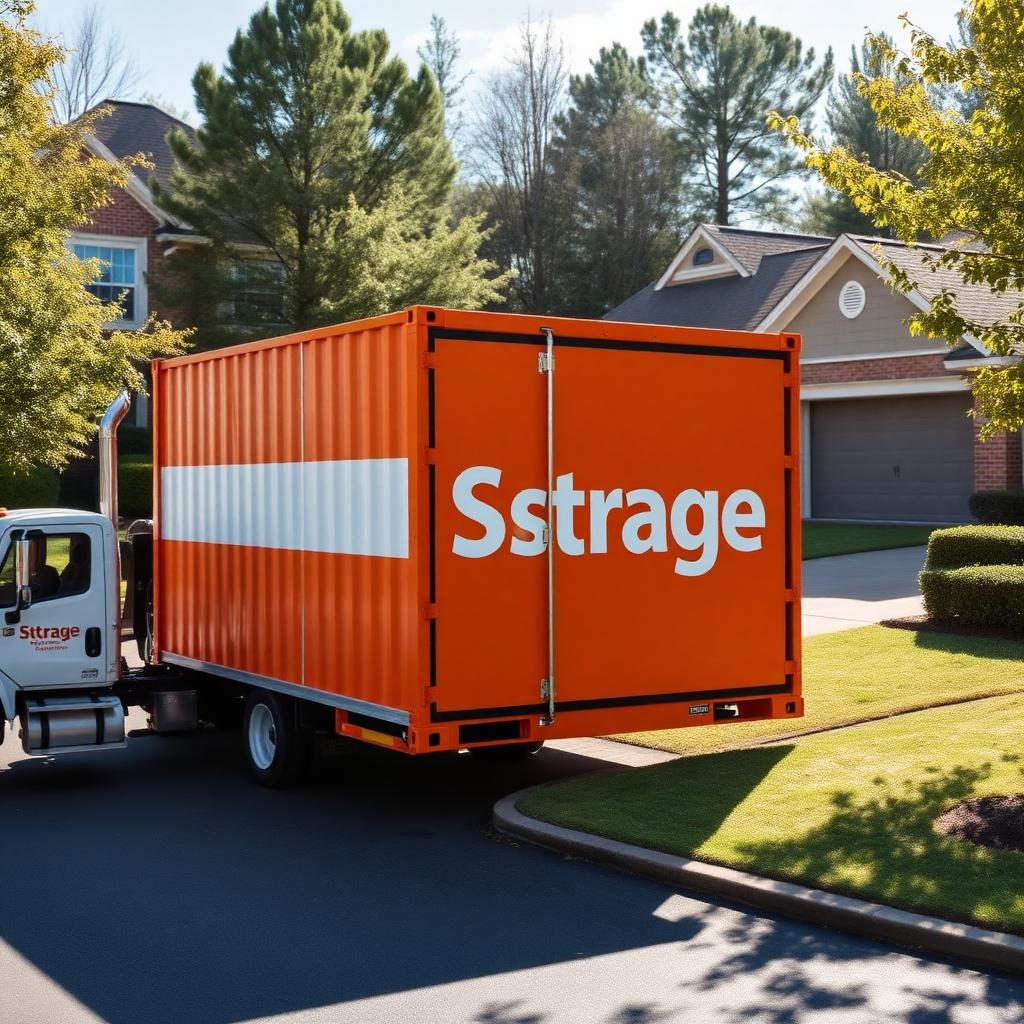
Go Mini's franchisee Mark Nyman has expanded the portable storage brand into Charlotte while operating across multiple U.S. markets.
Mark Nyman's latest Go Mini's expansion gives the franchise market a timely operator story rather than a simple unit-opening announcement. Franchise Chatter published a July 13 Q&A with Nyman, describing how Go Mini's largest multi-unit operator has grown from a first franchise investment into a portable storage business that now spans markets in North Carolina, Oregon, Washington, Idaho and Texas. The immediate news hook is Charlotte, where Nyman recently added a new Go Mini's footprint to an existing North Carolina network that already includes Raleigh, Fayetteville, Wilmington and Winston-Salem.
The story matters because service franchising often depends less on national advertising than on whether local owners can make a practical operating model repeat across several territories. Go Mini's provides portable storage containers for moves, renovations, decluttering, restoration work, business transitions and other temporary storage needs. That is a useful category, but it can quickly become operationally messy: equipment has to be available, delivery windows have to be reliable, customers need clear pickup timing, and local teams must handle residential, commercial and contractor demand without letting service quality drift.
Nyman's background helps explain why the Charlotte move is being framed as a multi-unit growth case. In the Franchise Chatter interview, he said his career moved from engineering into business, B2B food ingredient sales, foodguys and real estate before storage led him to Go Mini's. The International Franchise Association's May release on the Charlotte opening also described a playbook built around customer service, online ordering improvements, training, Google reviews and community relationships. Those details are important because they show the difference between buying additional territory and building an operating system that can survive distance.
Charlotte also gives the brand a clear market test. The city has continued residential and commercial growth, which means demand can come from home moves, renovations, construction projects, business relocations and temporary job-site storage. For a mobile storage franchise, that mix is attractive because it reduces dependence on one customer type. A market can be slower in one segment and still have activity in another. The harder question is whether a franchisee can match inventory, drivers, scheduling and local marketing to that demand without overextending.
For prospective franchise buyers, the useful lesson is that multi-unit growth starts with repeatable basics. Nyman told Franchise Chatter that expansion only works once the first operation is sound and the owner understands customers, equipment, logistics, team structure and the financial model. That is a grounded message in a franchise market where operators are often encouraged to think about territory stacking before they have proved their first unit.
Go Mini's says it was founded in 2002, moved to a franchise model in 2012 and now operates across 42 U.S. states as well as Canada and Mexico. That scale gives the brand national relevance, but Nyman's Charlotte expansion shows where franchise growth becomes real: a local operator adds another market, hires and trains teams, keeps delivery reliable and turns a national concept into a usable service for households and businesses. For the broader service-franchise sector, the story is a reminder that the strongest expansion headlines are often built by operators who can make ordinary execution travel.
"The strongest expansion headlines are often built by operators who can make ordinary execution travel."