Minnie Bird And DiPasqua Brands Sign 20-Unit Florida Franchise Deal
Minnie Bird has signed a 20-unit franchise development agreement with DiPasqua Brands to enter Orlando and Tampa, giving the young chicken concept its largest franchise commitment to date.
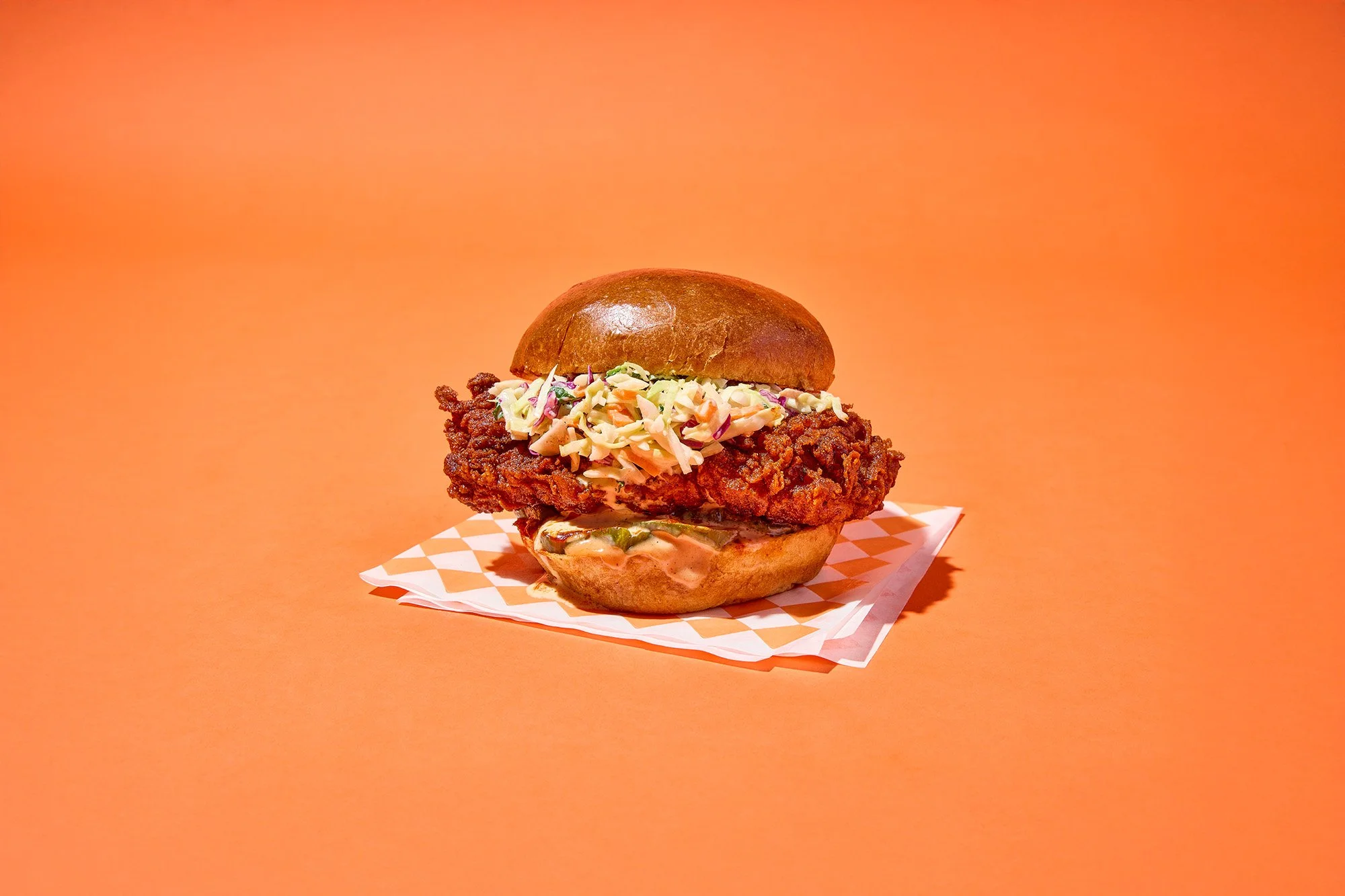
Minnie Bird's Florida agreement will bring 20 restaurants to Orlando and Tampa through DiPasqua Brands.
Minnie Bird has signed a 20-unit franchise development agreement with DiPasqua Brands to enter Orlando and Tampa, giving the young chicken concept its first multi-unit development agreement and largest franchise commitment to date. The July 23 announcement says the first Florida locations are expected to open in 2027. For a brand still early in franchising, the size and operator profile of the agreement are the story. Minnie Bird is not simply adding one restaurant; it is asking a seasoned Florida restaurant organization to test whether the concept can travel into two competitive markets.
DiPasqua Brands is described in the release as the largest Subway franchisee in Central Florida and one of the oldest and largest franchise groups in the Subway system. Founded in 1977, the family-owned company operates 110 restaurants across Florida. That matters because emerging restaurant franchisors often need their first major operators to bring more than capital. They need real estate discipline, hiring systems, local supplier relationships, training standards and the patience to open in sequence rather than chasing headlines.
Minnie Bird's own proof points are still developing. The company says its Schaumburg, Illinois flagship generated more than $2.3 million in gross sales in 2025 from about 2,100 square feet. The brand offers premium chicken sandwiches, wraps and tenders, dirty sodas, signature sauces and free soft-serve ice cream with every meal. Its official franchise site positions Minnie Bird around crispy chicken, dirty sodas and nostalgia-led branding. That proposition is deliberately simple, but the fast-casual chicken category is crowded. Strong store-level sales in Illinois help the pitch, but Florida will test repeatability.
The agreement also gives Minnie Bird a franchisee-quality signal. David Sloan, co-founder and managing partner of Venture Kitchen, described the DiPasqua deal as a sign that the brand was built to travel through strong unit economics, a small footprint and a repeatable guest experience. Pete DiPasqua said the group was selective and saw Minnie Bird as an emerging chicken concept with good food, a simple operation and appetite in Orlando and Tampa. Those comments point to the practical side of restaurant franchising: experienced operators are evaluating operational simplicity as much as consumer buzz.
The Florida agreement is Minnie Bird's second signed franchise deal. Its first, with a multi-unit Crumbl Cookies operator, is expected to bring the brand to Crystal Lake, Illinois later this year through its first drive-thru restaurant. Minnie Bird is also continuing company-owned development in Illinois, including locations in Schaumburg, Oak Brook and Naperville, plus a recently announced Glenview restaurant. That blended path matters because company-owned growth can keep the franchisor close to operations while franchise deals test new markets.
For franchise-market readers, the Minnie Bird deal is a useful early-stage scaling case. The brand has a clear product niche, a reported high-performing flagship and now a veteran franchisee group entering Florida. None of that guarantees success. Orlando and Tampa are demanding restaurant markets, and chicken concepts have to defend quality, speed, labor and real estate every day. But the agreement gives Minnie Bird a credible next test: whether a founder-led concept can move from strong local restaurants to a disciplined multi-unit franchise system without letting early momentum outrun support capacity.