Nikunj Patel Leads Birdcall's Five-Restaurant Franchise Expansion Into Indianapolis
Birdcall's Midwest debut will unfold through a five-restaurant Indianapolis agreement led by multi-unit operator Nikunj Patel, with sites planned across Carmel, Fishers and Westfield.
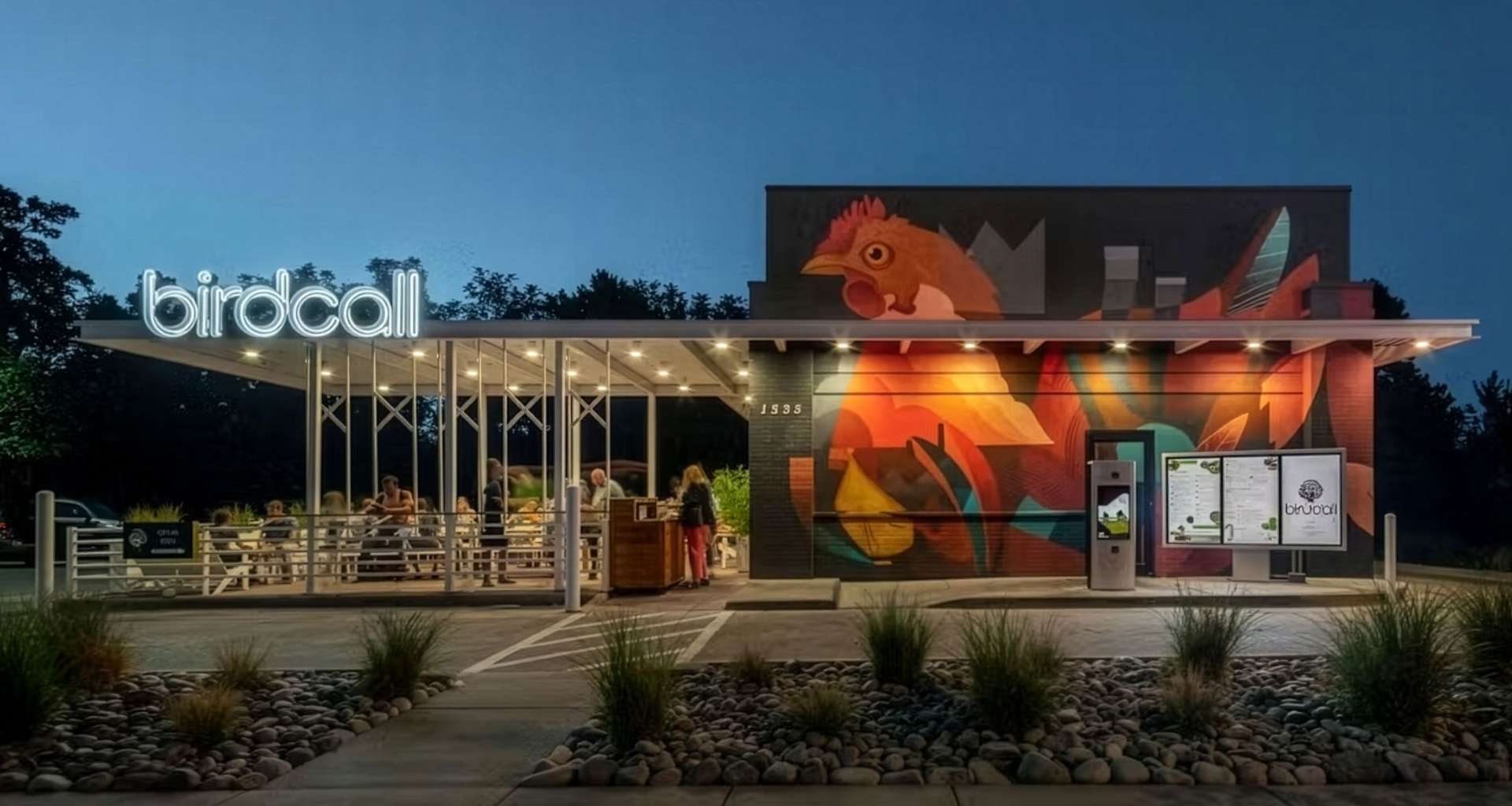
Birdcall says its Indianapolis agreement will bring the Colorado-born chicken brand into the Midwest for the first time.
Birdcall is preparing for its Midwest debut through a five-restaurant franchise agreement in Indianapolis, giving the Colorado-born chicken brand a new test market for its technology-forward fast-casual model. The company announced on July 22 that experienced operator Nikunj Patel will lead the development alongside a broader multi-unit, multi-state restaurant group. The deal covers the greater Indianapolis area, with site selection underway in the Carmel, Fishers and Westfield corridor and additional southern metro locations under consideration.
The operator profile is central to the story. Patel already owns multiple Nekter Juice Bar locations in the Chicagoland area, and Birdcall said his wider ownership group has experience developing and operating dozens of franchise locations across the Midwest. That reduces one of the biggest risks in first-market expansion. A franchisor entering a new region needs more than an interested investor; it needs an operator who understands real estate, labour, local supplier relationships, opening cadence and the daily pressure of multi-unit restaurant execution.
Birdcall vice president of franchise development Justin Livingston said the partnership fits where the brand is headed, citing Patel's business track record and the ownership group's operating depth. Patel said the team was selective about which brands it backed and saw Birdcall as strong on both guest demand and business model discipline. Those comments point to the two sides of the modern fast-casual franchise pitch: customers must like the product and the experience, while operators need evidence that the unit economics, site model and support structure can survive a competitive restaurant market.
The restaurant experience Birdcall is selling combines chef-inspired chicken items with visible technology. The company highlighted naturally raised chicken, signature sandwiches, hand-cut tenders, gluten-free nuggets, salads, sides, loaded tots, milkshakes, house-made sauces, draft beer and margaritas. It also pointed to modern design, vibrant artwork, family-friendly spaces and self-order kiosks intended to create a fast, seamless guest experience. In other words, the franchise is not just selling chicken; it is selling a branded restaurant system that tries to make throughput, design and community involvement part of the offer.
Indianapolis is a meaningful choice because it is large enough to support multi-unit development but still specific enough for an operator group to build local recognition. The northern suburbs named in the announcement have been active restaurant growth corridors, and a five-unit commitment gives the brand a chance to build clustered awareness rather than opening a single isolated store. If the first locations perform, the market could become a regional proof point for future Midwest recruitment.
For franchising, Birdcall's deal reflects a broader truth about emerging restaurant brands: expansion into a new region is usually only as strong as the first franchisee partner. The franchisor brings the concept, supply chain, menu, technology and training. The franchisee brings local execution, capital discipline and market knowledge. Birdcall now has a five-store Indianapolis plan led by a multi-unit operator. The next question is whether the brand can turn that agreement into openings that feel local enough for Indianapolis customers while still protecting the operational habits that made the concept attractive to Patel's group in the first place.