Lorraine Pater Builds Smoothie King Gulf Coast Portfolio As Construction Costs Slow New Stores
Smoothie King franchisee Lorraine Pater has built an 11-store Gulf Coast portfolio and holds rights to a 12th location, offering a grounded look at how mature multi-unit operators think about growth as build costs rise.
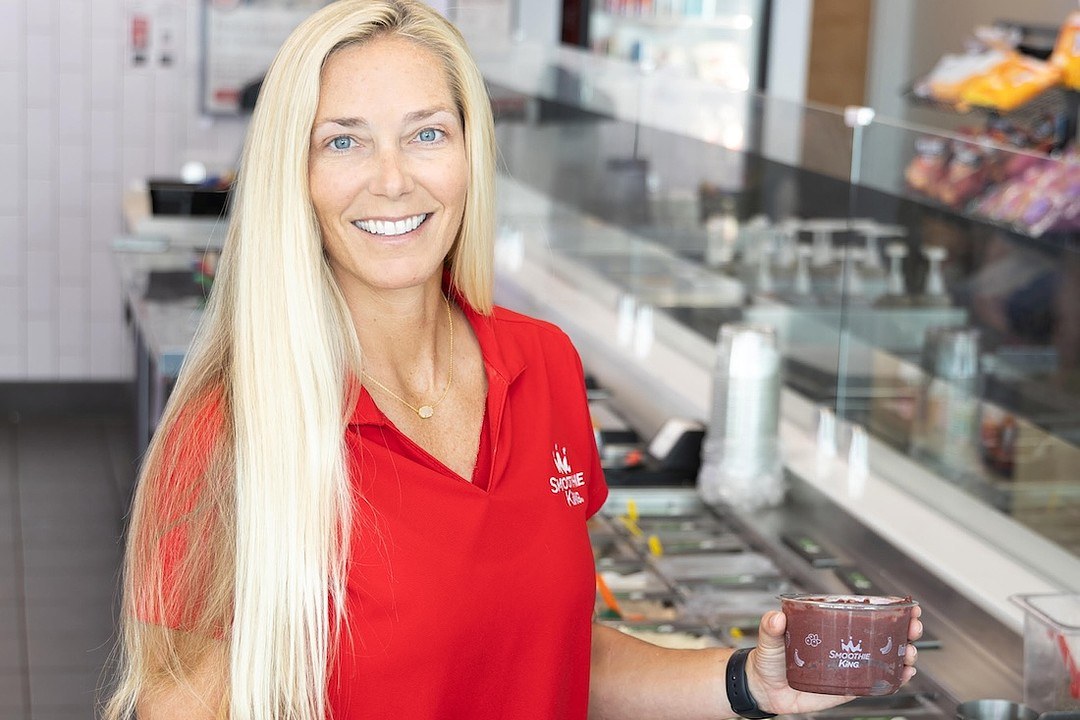
Smoothie King franchisee Lorraine Pater owns 11 Gulf Coast stores and has rights to a 12th location.
Smoothie King franchisee Lorraine Pater has built an 11-store Gulf Coast portfolio and holds rights to a 12th location in Parrish, north Manatee County, giving the franchise market a useful look at how mature multi-unit operators are thinking about growth in 2026. The Business Observer profile is not a routine store-opening notice. It is a more grounded operator story about building infrastructure, keeping financial visibility, and deciding when expansion still makes sense as construction and rent costs rise.
Pater's path into franchising is a familiar but important one. She previously worked as an auditor for KPMG and later looked for a business with her husband after stepping back from her CPA career to focus on family. Smoothie King fit because the family already used the product daily and because the model made sense to her as both a consumer and a numbers-focused operator. That founder/operator angle matters for franchise buyers because it shows how personal product fit can start the conversation, but it cannot carry a portfolio by itself.
The scale of the portfolio has changed the management problem. Pater told the publication that losing a manager was scarier when the group had only a few stores, because the team had less infrastructure. With 11 stores, she said the business has repeated the hiring and management process enough to know what it needs. That is a practical multi-unit lesson. The leap from one unit to several is not only about capital; it is about building an operating bench, developing managers, and making store-level routines repeatable.
Her CPA background also shows up in the way she stays close to the business. Pater handles payroll weekly, which she said helps her see trends across staffing, weather impacts and bottom-line performance even when she cannot be physically present in every store. For franchisees, that is a useful reminder that dashboards and bookkeepers do not replace owner attention. The more stores an operator owns, the more important it becomes to catch margin shifts, labor changes and sales patterns before they become portfolio-wide problems.
The growth constraint in the profile is just as important as the success story. Pater said opening a Smoothie King cost roughly $250,000 when she started in 2016, while a new store can now cost $450,000 to $750,000. She also cited rent pressure in fast-growing Parrish, saying the pricing was not acceptable for the model. That tension is being felt across franchise categories: brands still want units, but operators are being more selective because real estate and construction can break otherwise attractive economics.
For Smoothie King, the profile still reinforces several system strengths. The brand has more than 1,200 U.S. stores, a base of multi-unit franchisees, and a product mix that has expanded beyond fruit smoothies into bowls, avocado toast, flatbreads and chicken bites. Pater's stores serve customers across age groups, health goals and dayparts. But the story is ultimately about disciplined expansion rather than endless expansion. Pater says she is open to buying stores from other owners if they make sense. That is the signal to watch: experienced franchisees may keep growing, but increasingly they will grow through careful acquisitions, better locations and stricter capital math, not just by signing every available site.
"Brands still want units, but operators are being more selective because real estate and construction can break otherwise attractive economics."