Smoothie King Grows Northern Store Count 85 Percent As Penfield Operator Opens First Shop
Smoothie King says its Northeast and Midwest footprint has grown 85 percent over five years, with a new Penfield, New York opening tied to a three-unit deal.
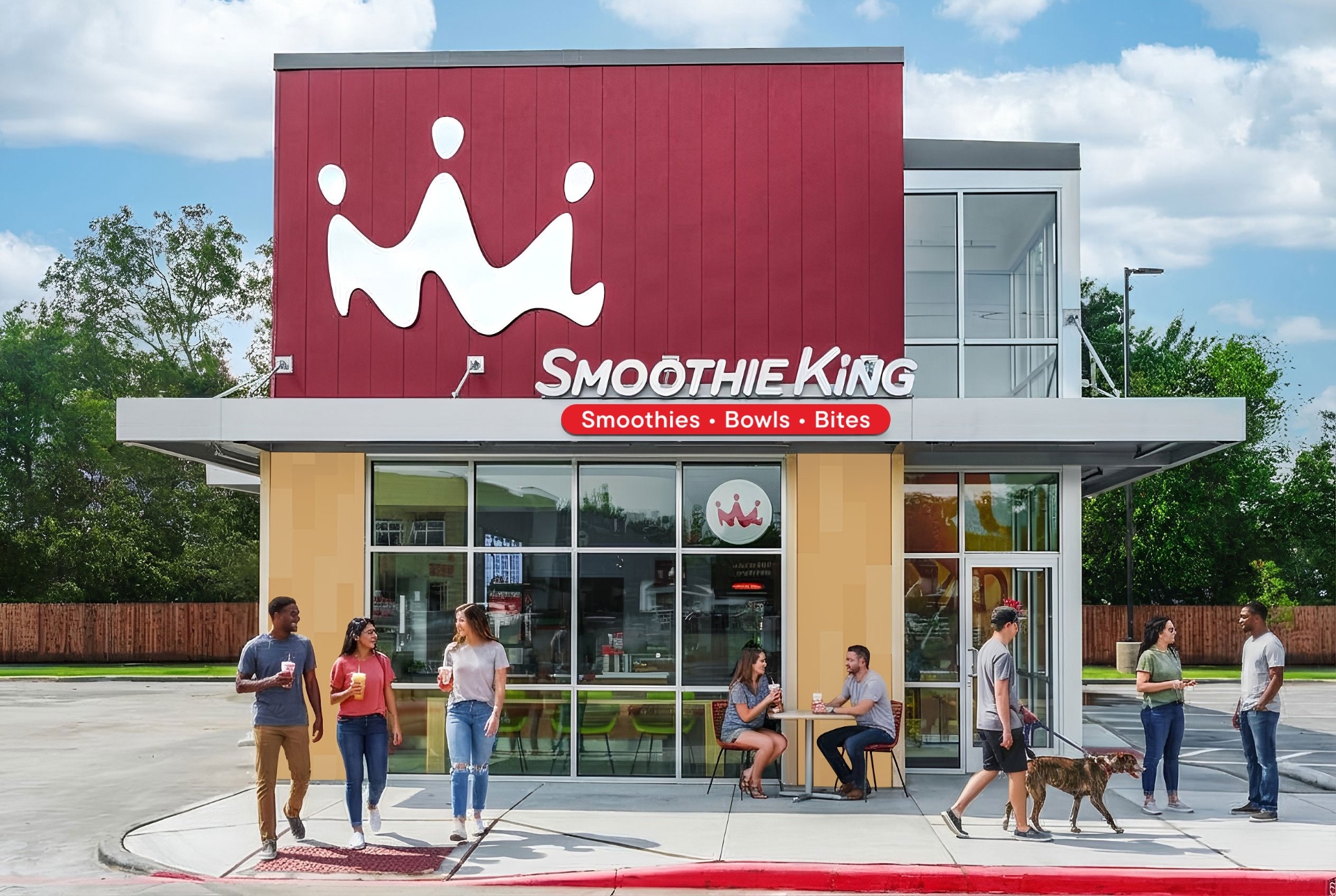
Smoothie King says its Northeast and Midwest footprint has grown 85 percent over five years, with a new Penfield, New York opening tied to a three-unit deal.
Smoothie King is leaning harder into northern U.S. markets, saying its Northeast and Midwest footprint has grown 85 percent over the last five years. The brand said those markets now account for about 358 Smoothie King locations, up from 193 in 2020, and tied the growth update to the opening of its first location in Penfield, New York.
The Penfield store is part of a three-unit development deal in western New York. That makes the announcement more useful than a simple unit-count update. For franchisors, northern growth often depends on whether the brand can make its daypart, product mix and real estate model work outside the warmer-weather markets where smoothies can be an easier year-round sell. Smoothie King is arguing that health and wellness demand has widened enough to support more disciplined growth in the Northeast and Midwest.
The 85 percent growth figure also shows how franchisors use regional density to change the economics of expansion. A single shop in a new territory has to educate customers, recruit workers, build local supplier routines and make media spend work on a small footprint. A cluster of stores can support better awareness, stronger franchisee peer learning and more efficient operations. The Penfield deal will matter most if it becomes part of that wider density strategy rather than a detached opening.
Smoothie King's positioning is built around nourishing healthy habits, and the current growth story lands in a market where consumers are more willing to pay for convenient wellness but also more selective. Operators have to sell more than cold beverages. They need speed, digital ordering, menu clarity, local store marketing and repeat routines that can survive winter, school schedules and changing household budgets. A northern store count of 358 locations suggests the brand has already cleared some of those hurdles, but every new market still has to prove its own demand curve.
For franchise candidates, the Penfield announcement points to the importance of territory quality. Western New York gives an operator a different set of considerations than Sun Belt markets: seasonal traffic patterns, lease costs, local competition, hiring availability and community marketing all shape the opening ramp. The best operators will not assume the brand name alone is enough. They will need to know the nearby trade areas, school and commuter traffic, and how to build repeat visits around wellness goals rather than short promotional bursts.
The release also fits a broader food-franchise trend. Better-for-you brands are trying to occupy the space between quick-service convenience and lifestyle identity. That category can be attractive because it creates repeat behavior, but it also exposes operators to ingredient costs, training demands and high customer expectations. A smoothie or bowl customer often expects customization and speed at the same time, which can strain execution if the store is not tightly run.
Smoothie King's northern growth gives the franchise market a concrete signal. The brand is not relying only on existing warm-weather awareness. It is trying to build a larger national operating map through regional clusters and multi-unit development. If the Penfield opening and the wider western New York deal perform, they will strengthen the case that wellness-focused beverage franchising can keep expanding in markets where convenience, health and local store discipline all have to work together.
"A cluster of stores can support better awareness, stronger franchisee peer learning and more efficient operations."