Swig Enters Washington With 11-Unit Pacific Northwest Franchise Deal
Swig has signed an 11-unit agreement for Washington, giving the Utah beverage brand a Pacific Northwest entry point through multi-unit operators.
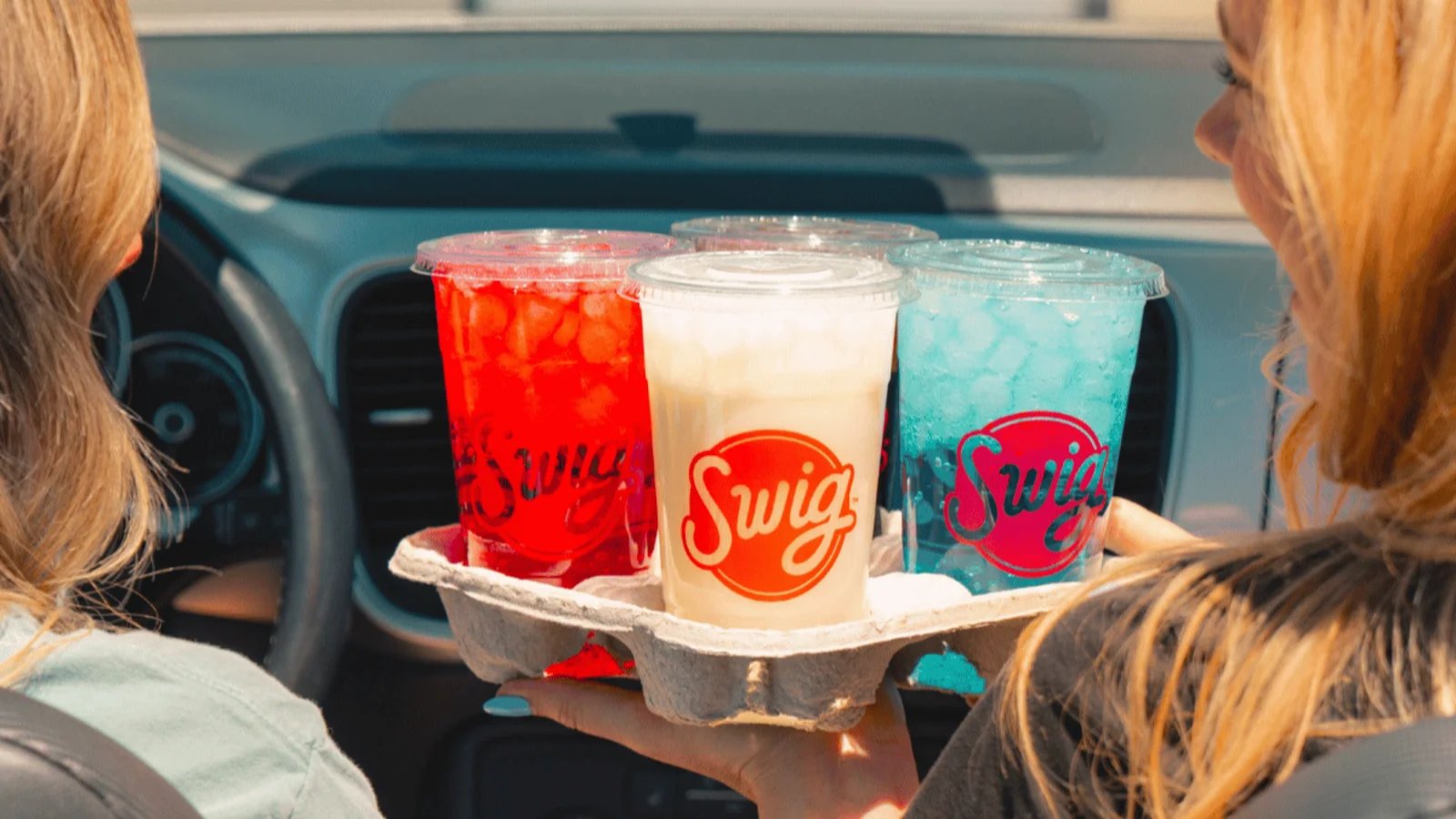
Swig's official drink image accompanies its 11-unit Washington franchise agreement and Pacific Northwest market entry.
Swig is entering the Pacific Northwest through an 11-unit franchise agreement that will bring the Utah-based beverage brand into Washington. Franchise partners Sean Collins, Jared Collins and Ramey Mills plan to open the first Washington location by the end of 2026, with 10 more locations planned under the same agreement. For a brand built around drive-thru beverage customization, Washington is a meaningful next geography rather than a single-store test.
The deal continues a year of active market signing for Swig. The company has announced franchise agreements for Chicago, Colorado, South Florida and South Texas, giving the brand a growing list of markets outside its Intermountain West base. The Washington agreement adds a different regional profile, with Pacific Northwest customers, real estate patterns and weather habits that may test the model in useful ways.
Swig's franchise pitch is built around a compact, beverage-led format. The company says its drive-thru-focused model can operate in spaces as small as 800 to 850 square feet and does not require a traditional kitchen. That matters because smaller boxes can reduce buildout complexity, labor needs and site constraints for multi-unit operators. It also gives the brand a path into markets where restaurant real estate is expensive or difficult to secure.
The operating simplicity should not be mistaken for automatic ease. Beverage brands depend heavily on throughput, order accuracy, repeat habits and local brand awareness. A customized drink model can create loyal customers, but it also asks teams to manage speed and personalization at the same time. That balancing act becomes more important when a brand enters a new region without the same home-market familiarity it enjoys in Utah.
Swig president Todd Smith described Washington as an important new chapter in the company's national expansion. The language fits the development pattern. Swig is not using one flagship store to introduce the region. It is starting with a multi-unit agreement, which gives the brand a chance to build market presence through clusters rather than isolated shops.
For franchise-market watchers, the most interesting signal is Swig's continued focus on experienced multi-unit operators. Beverage concepts can look simple from the outside, but growth depends on site selection, traffic flow, staffing discipline and the ability to make new stores feel local quickly. Collins, Collins and Mills will now carry that test in Washington. If the first store opens on schedule and the planned locations follow, Swig's Pacific Northwest entry could become one of the clearer examples of compact beverage franchising moving from regional popularity into national development.