Farmer Boys Leans On Proven Operators For Arizona And Coachella Growth
Farmer Boys has added restaurants in Mesa, Arizona, and Cathedral City, California, using experienced franchisees to deepen the burger brand's western footprint.
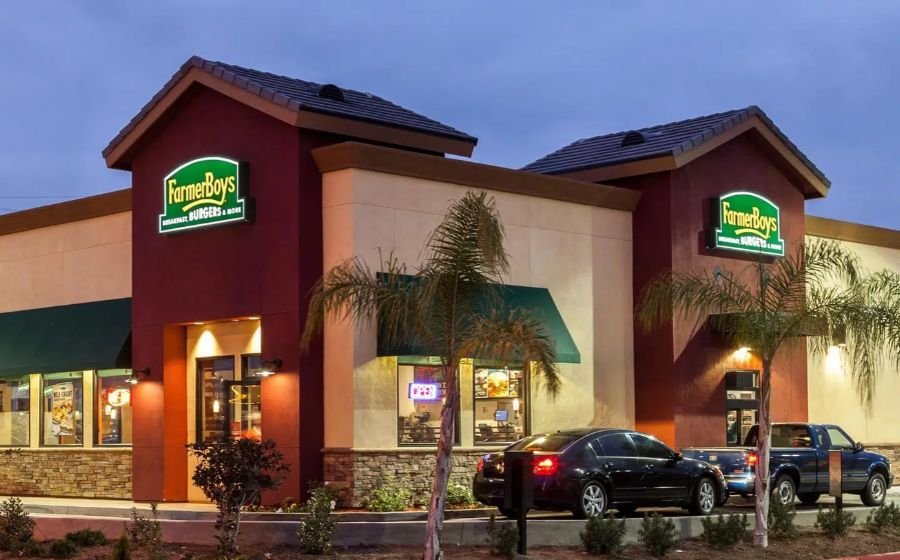
Farmer Boys is expanding through experienced franchise operators in Arizona and California.
Farmer Boys is giving franchisors a familiar but valuable growth signal: experienced operators are still willing to reinvest in the brand. The Southern California burger chain is expanding through recent openings in Mesa, Arizona, and Cathedral City, California, with longtime franchisees leading both projects. For a 45-year-old fast-casual system, the story is less about chasing a new market headline and more about using proven operators to add density where the brand already has regional credibility.
The Arizona move is tied to franchisee Omar Mawas, who opened his first Farmer Boys restaurant in California in 2007. Mawas helped bring the brand to Arizona in 2021 with a Gilbert restaurant and opened the Mesa location in August. He now has nine Farmer Boys restaurants open and four more in development, with operations across Arizona, Los Angeles and San Diego. That makes the Mesa opening a multi-unit confidence story rather than a one-store bet.
The California side has a similar pattern. Dilip Bhavnani, a restaurant industry veteran with more than 30 years of experience, joined Farmer Boys in 2003 with a Pomona location and opened the Cathedral City restaurant in April. The company says it is the first new Farmer Boys in the Coachella Valley in more than 20 years. Bhavnani also owns restaurants in Chino and Huntington Beach, giving the brand another operator who already understands its food model, labor expectations and customer promise.
That operator profile matters because Farmer Boys depends on freshness and routine execution. The concept was founded in 1981 by five brothers who had grown up working on their family farm in Cyprus before immigrating to the United States. Its menu still leans heavily on never-frozen beef, hand-chopped salads, all-day breakfast, cage-free eggs and hand-breaded sides. Those details are useful marketing language, but they also raise the operational bar for franchisees compared with more frozen or assembly-led quick-service models.
For franchise development teams, the broader lesson is that mature brands can grow without pretending every opening is a reinvention. Farmer Boys is not trying to become a national overnight story. It is expanding in adjacent western markets with people who have already lived inside the system. That gives lenders, landlords and future franchise candidates a clearer signal than a single splashy announcement: existing owners still see room to build.
The openings also show how local market density can be a strategy in itself. Arizona now has six Farmer Boys restaurants, while the Coachella Valley has a fresh entry point after a long gap. If the brand can keep pairing site selection with operators who know the model, its western expansion can be measured less by hype and more by whether repeat franchisees keep putting their own capital and reputations behind the next restaurant.