Hammer & Nails Uses Franchise-Veteran Leadership To Court Multi-Unit Operators
Hammer & Nails is leaning on its operator-side franchise experience to attract multi-unit buyers as the men's grooming brand passes 150 shops open or in development.
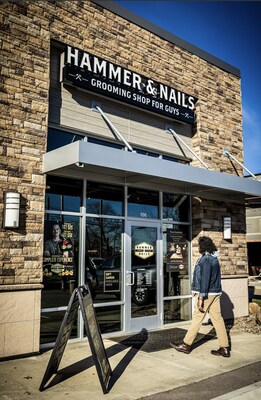
Hammer & Nails says experienced franchise candidates visited its Phoenix confirmation day as the men's grooming brand builds its next growth phase.
Hammer & Nails is using its own franchise-operator background as a central part of its pitch to multi-unit buyers, after a recent Franchise Confirmation Day in Phoenix drew prospective franchisees from Detroit, Tampa and the San Francisco Bay Area. The men's grooming brand and franchise development partner Limitless Franchise Growth announced on 23 June that the candidate interest comes as Hammer & Nails passes more than 150 shops open or in development nationwide.
The story matters because it is not just another unit-count announcement. Hammer & Nails is trying to sell a specific operating thesis: premium grooming for men, wrapped in hospitality, memberships and recurring local demand, can become a stronger service franchise when the leadership team understands franchising from the operator side. Limitless Franchise Growth chief executive Lance Freeman said the brand stands out because it has a differentiated position in a resilient service category and a membership-driven model that encourages repeat customer engagement.
For franchise buyers, that combination is important. Grooming is personal, repeatable and local. Customers may visit for a haircut, shave, manicure, pedicure or the brand's signature whiskey-infused foot treatment, but the larger business depends on whether a shop can turn one-time appointments into routines. A membership structure can help stabilize demand if the guest experience is strong enough to justify regular visits. It can also create pressure on the operator, because members expect consistency, scheduling convenience and service standards that feel premium every time.
The founder and operator angle is also useful in a market where experienced multi-unit groups are cautious. People who already run franchise businesses tend to look beyond brand aesthetics. They ask about labor, training, customer acquisition cost, ticket size, repeat visits, manager development and how much support the franchisor can provide after opening. Hammer & Nails is presenting its leadership team's experience inside major franchise systems as evidence that it understands those questions before candidates ask them.
Aaron Meyers, chief executive of Hammer & Nails, framed the recent candidate interest as a reflection of the foundation the company has built. He said the brand's focus remains on disciplined growth, strengthening the membership model and giving franchisees the systems and support needed to build local businesses. That language is notable because it avoids the fastest-growth-at-any-cost posture that can weaken service brands. In grooming, a bad opening, poor staffing or inconsistent service can damage reviews quickly, especially when the brand is trying to justify a premium position.
The current count also needs careful reading. The release says Hammer & Nails has more than 70 shops open while passing more than 150 open or in development. That spread shows momentum, but it also shows execution still lies ahead. Development agreements do not become durable revenue until leases, build-outs, hiring, training and repeat customer traffic are working. For candidates, the question is whether the shops in development will strengthen brand awareness and unit economics or simply add pressure to the support system.
Still, the announcement gives the franchise market a clear signal. Hammer & Nails is not positioning itself as a novelty salon concept. It is pitching a premium, recurring service model aimed at sophisticated operators who want a differentiated category and a franchisor that speaks their language. If the brand can keep growth disciplined while converting interest into strong local execution, its franchise-veteran story could become more than a sales message. It could become the operating filter that decides which owners join the system and how the next wave of shops is built.
"Development agreements do not become durable revenue until leases, build-outs, hiring, training and repeat customer traffic are working."