Jack In The Box Completes $500 Million Refinancing As JACK On Track Plan Continues
Jack in the Box has completed a $500 million securitized financing facility, using the proceeds to repay existing notes as its JACK on Track plan continues.
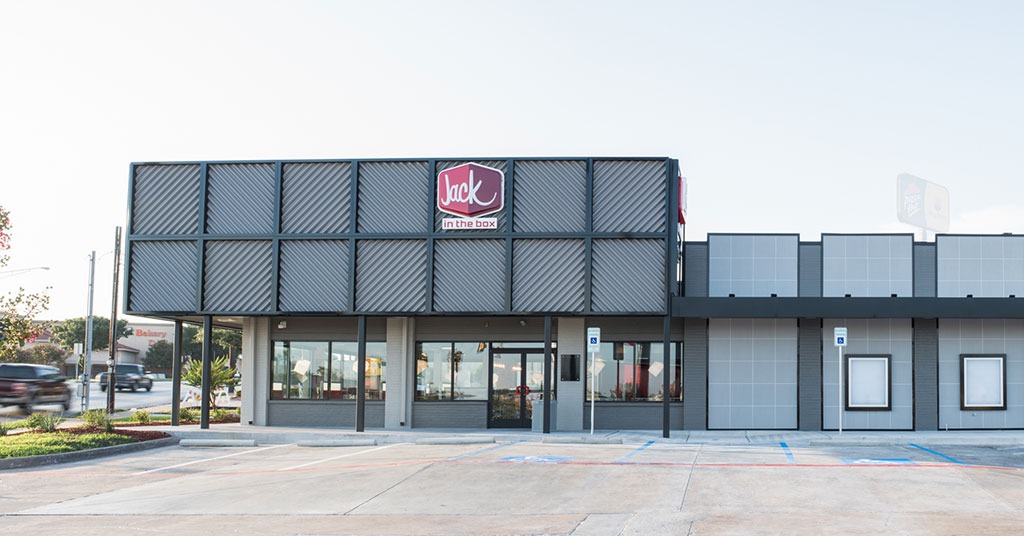
Jack in the Box completed a $500 million securitized financing transaction tied to debt repayment and its JACK on Track plan.
Jack in the Box has completed the sale of $500 million in Series 2026-1 7.624 percent fixed-rate senior secured notes, giving the restaurant company a refinancing milestone as it continues its JACK on Track plan. The company said one of its indirect, limited-purpose subsidiaries, described as the Master Issuer, completed the sale of the notes and will use the net proceeds to repay its existing Series 2019-1 4.476 percent fixed-rate notes in full and repay part of its Series 2022-1 3.445 percent fixed-rate notes.
The transaction is technical, but it matters for franchise markets because capital structure influences how a franchisor can invest, support operators and manage brand priorities. Jack in the Box is a heavily franchised restaurant company with about 2,128 restaurants across 24 states, Guam and Mexico. When a public franchisor refinances debt, franchisees may not see an immediate operational change, but the balance-sheet runway can affect development planning, remodel support, marketing capacity and the level of pressure on cash generation.
Executive chairman and interim chief executive Mark King said the refinancing clears near-term maturities, with the next anticipated repayment date in 2029, and supports sustainable value creation. That language connects the financing to JACK on Track, the company's plan to improve performance. For franchisees, the important question is whether the plan produces clearer store-level priorities: traffic, menu focus, operating speed, labor productivity, remodel economics and franchisee returns.
The company also said the Master Issuer entered a purchase agreement for up to $150 million of Series 2026-1 variable funding senior secured notes. Those notes will allow borrowing from time to time on a revolving basis and replace an existing $150 million variable funding facility. That additional structure gives the company more flexibility than a fixed note sale alone, though it also keeps the brand tied to capital-market conditions and lender expectations.
Securitized financing is common among large franchise and restaurant systems because it can borrow against recurring cash flows connected to royalties, fees and other system assets. The advantage is access to meaningful capital at scale. The tradeoff is discipline: the company has to keep system performance strong enough to support the debt structure. A franchise network with stable royalty streams can be attractive to investors, but only if unit economics and brand demand remain credible.
For franchise operators, the financing does not remove the day-to-day challenges facing quick-service restaurants. Consumers remain value-sensitive, labor is expensive, commodity costs can move quickly, and drive-thru brands are competing on digital convenience as well as menu price. Refinancing can help a franchisor manage maturities, but it does not by itself fix traffic, franchisee profitability or development appetite.
It also shows why franchise investors watch debt terms alongside same-store sales and unit counts. A franchisor with looming maturities can become more defensive, while a franchisor with a clearer runway has more room to sequence repairs, restaurant investments and market development. That does not guarantee results, but it changes the operating conversation from emergency refinancing to execution.
The market signal is still important. Jack in the Box has bought time and clarified its near-term debt profile. The next test will be operational rather than financial: whether JACK on Track turns a cleaner maturity schedule into stronger store execution, improved franchisee confidence and a more persuasive growth story for the brand.
"Refinancing can help a franchisor manage maturities, but it does not by itself fix traffic or franchisee profitability."