Amber And Bryan Ward Turn Kwench Juice Cafe Ocala Into A Founder-Led Franchise Case Study
Amber and Bryan Ward's Kwench Juice Cafe in Ocala, Florida is giving the franchise market a useful founder-and-franchisee story built on first-time ownership, a gut renovation and realistic founder guidance.
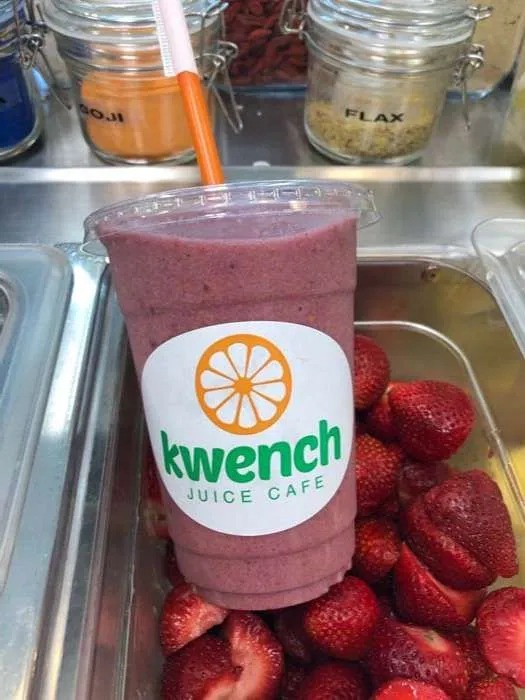
Kwench Juice Cafe's official Ocala location page shows the brand's fresh juice and smoothie offer.
Amber and Bryan Ward's Kwench Juice Cafe in Ocala, Florida, is giving the franchise market a useful founder-and-franchisee story because it is not built around overnight hype. The June 30 Franchising.com item, syndicated from FranchisePressReleases.com, says the husband-and-wife operators opened North Central Florida's first Kwench Juice Cafe in late 2023 and have since turned the store into a local community staple. For a daily franchise publication, the significance is the operating path behind that claim: first-time restaurant owners, a tight real estate market, a gut renovation, inflation pressure and a brand founder who appears to have set realistic expectations early.
The Wards did not come into the store as career restaurant operators. The source report says their previous backgrounds included quality control, facility management and online sales. That matters because franchising is often sold as a way for capable operators to enter a new category, but the transition is rarely simple. Food service requires inventory discipline, labor management, customer speed, hygiene, local marketing and pricing judgment. The Ocala story is useful because it shows how a franchise system can reduce that learning curve without removing the owner's responsibility for day-to-day decisions.
The founder element is especially important. Amber Ward credited Kwench founder and chief executive Chris Gregoris with giving the couple a candid view of the opportunity. According to the source article, Gregoris told the Wards one store would not make them rich but could produce a fair living if it was well run. That kind of message is not glamorous, but it is exactly the sort of conversation prospective franchisees should expect. A franchisor that oversells unit economics can win a signature and damage the relationship later. A franchisor that explains the work, capital risk and likely upside can help a candidate make a better decision.
The opening itself also shows the practical friction inside a local franchise launch. The Wards had to deal with a fast-developing Ocala real estate market, lease economics, architecture difficulties and permitting delays. The report says the project took nine months and involved a complete gut renovation before the store welcomed customers. Those details matter because franchise development announcements often make expansion sound like a straight line from agreement to opening day. In reality, local market conditions can shape the launch as much as the brand manual does.
Once open, the Ocala store faced the same issues hitting many food franchisees: inventory management, cost-of-goods volatility and inflation. The Wards adjusted pricing after the first year and used two years of sales history to improve forecasting. That is a more credible success marker than a simple grand-opening photo. It suggests the business is learning from its own data rather than relying only on the franchisor's initial assumptions.
The article also says the store has supported itself from the first day of operation, without the Wards injecting personal funds to keep it running. That is a strong claim, and it should not be treated as a guarantee for other candidates. It is still relevant because it shows why unit-level discipline matters. A store that can carry itself gives owners room to test local marketing, refine staffing and improve margins without emergency capital pressure.
The local sourcing detail gives the story another franchise-market lesson. The source report says about 40 percent of the Ocala cafe's products come from local growers, including Florida strawberries, seasonal fruits and vegetables, and local honey when available. That local supply story helps the unit fit the community while staying inside a broader brand concept. For Kwench, the Ocala store becomes a useful proof point: a health-focused franchise can sell a standardized menu idea while still giving local operators room to show regional relevance.
"A franchisor that explains the work, capital risk and likely upside can help a candidate make a better decision."