Dave And Sandy Forster Sell Minneapolis Minuteman Press After 40 Years
After four decades running their Northeast Minneapolis Minuteman Press, Dave and Sandy Forster have sold the business to long-time employee Samuel Sandon in a clean internal succession.
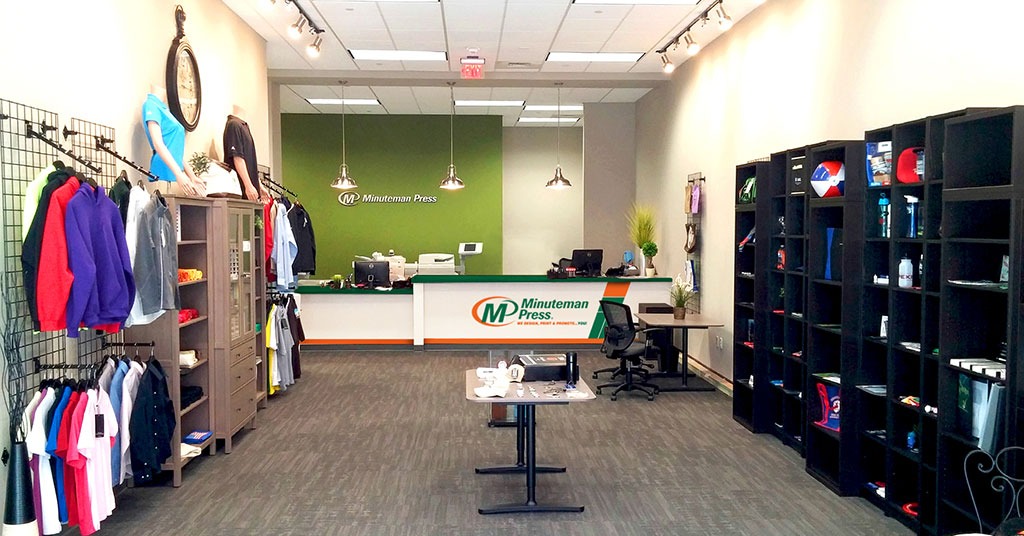
Dave and Sandy Forster owned Minuteman Press in Minneapolis for 40 years before selling the business to long-time employee Samuel Sandon.
Dave and Sandy Forster have closed one of the more durable local-owner chapters in print franchising, selling their Minuteman Press business in Minneapolis after four decades in operation. The June 26 Franchising.com report says the couple had owned the location since February 1986 and were recognized by Minuteman Press International Regional Vice President Keith Cawley with a Special Achievement Award for 40 years in business. The business has now been sold to Samuel Sandon, a long-time employee, allowing the Forsters to retire while keeping continuity for customers and staff.
The story is useful for franchise-market readers because it is not just an anniversary item. It shows how a franchise can become a family business, a local employer, a neighborhood fixture and finally a succession plan. Dave Forster described the 40-year milestone as a rare business achievement and credited employees, family support and the Minuteman Press franchise system for giving him the tools to run a successful operation. He also said his wife Sandy and their three sons each played roles in the business over the years, including sales and delivery work during school and college years.
That family history matters because printing and marketing services are not glamour categories in franchising, yet they often survive through relationships, repeat work and local trust. A customer choosing a local print shop may care about turnaround time, color consistency, direct mail execution, design help, signage, marketing material and whether the owner understands the pressure of a deadline. In that environment, a long-standing owner can become part of a customer's own operating routine. The sale to a long-time employee is therefore more than a transaction. It is a risk-management move for customer relationships.
Forster also connected the business to the physical neighborhood. He said he bought and rehabilitated a blighted old machine shop building in Northeast Minneapolis, turning it into a space that helped revitalize the area. That detail gives the franchise story a local-development angle. Franchise units are sometimes discussed as interchangeable boxes, but operators make real estate, hiring and civic choices that affect streets and communities. A franchisee who invests in an underused building can change how the business is perceived by customers and neighbors.
The succession piece is equally important. Many franchise owners build value for years without a clear exit path. A resale to an outside buyer can work, but it may create uncertainty for employees and clients if the incoming owner has no shared history. By selling to Sandon, a long-time employee, the Forsters created a cleaner handover. Dave Forster said customers and staff would be in excellent hands and described Sandon as capable of leading the business into the future. That kind of internal succession can be especially powerful in service businesses where relationships are the asset.
There are broader lessons for franchisors as well. A franchise system can help with branding, vendor access, training, software and operating models, but the owner's local execution still determines whether the business becomes durable. Forty years of operation suggests the Minneapolis store adapted through technology changes, changing buyer behavior, economic cycles and shifts in marketing spend. Print businesses have had to move beyond simple copying into broader business services, and long-running franchisees have had to learn repeatedly rather than rely on the original 1980s playbook.
The wider franchise-market takeaway is that exits deserve as much attention as openings. New-unit announcements show momentum, but mature systems prove themselves when older owners can retire without weakening the local brand. The Forsters' transition gives Minuteman Press a founder-style local operator story and a practical reminder for candidates: the best franchise investment is not only one that opens well. It is one that can become embedded enough to pass on.
"Exits deserve as much attention as openings — mature systems prove themselves when older owners can retire without weakening the local brand."