Thomas Wolfe's Ziebart Adds New Jersey Conversion Deal As Franchise Leads Jump 285 Percent
Ziebart says franchise leads rose 285 percent through the first half of 2026 as automotive operator Jim Sutter converts a West Creek, New Jersey storefront into a Ziebart location.
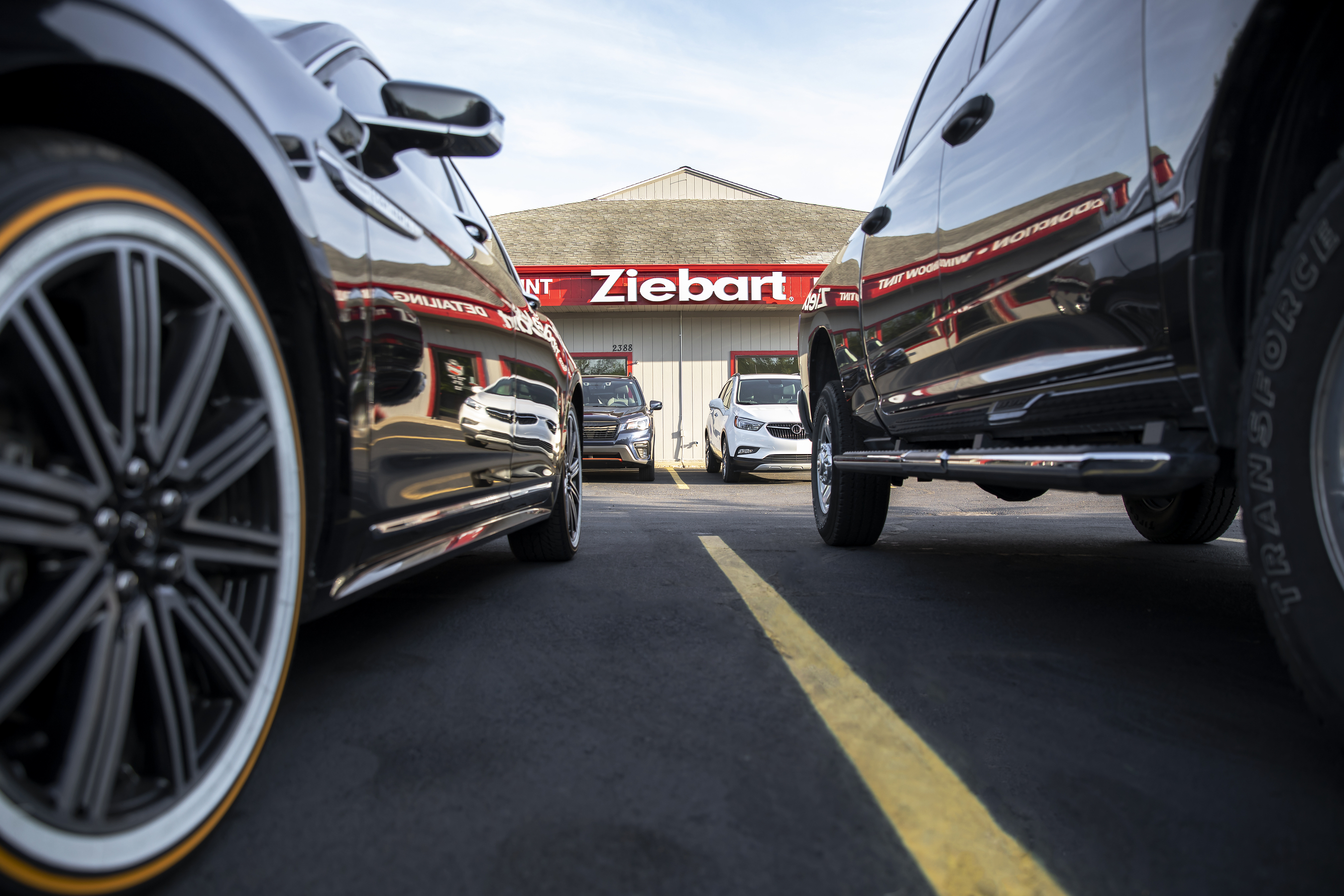
Ziebart says rising interest in vehicle appearance and protection services is supporting new franchise development.
Ziebart has reported a 285 percent increase in franchise leads through the first half of 2026 and a new West Creek, New Jersey franchise agreement with automotive operator Jim Sutter. The July 29 announcement positions the vehicle appearance and protection brand as a service franchise benefiting from drivers who are maintaining existing vehicles for longer rather than replacing them quickly.
The lead-growth number is striking, but the conversion deal may be more operationally meaningful. Sutter already owns a Rhino Linings business and plans to convert his current storefront into a Ziebart location. That means the new franchise is not starting from a blank retail box or an inexperienced operator. It is being built on an existing automotive-service base, a customer set and familiarity with one of Ziebart's core service relationships. Ziebart director of franchise development Tray Doster said that familiarity, plus Sutter's industry experience and community presence, made the move a natural next step.
Conversion franchising is important in service categories because many independent operators have useful local assets but limited brand infrastructure. They may already know their market, staff, vendors and customer pain points. A franchisor can add brand recognition, broader service menus, marketing systems, purchasing power and training. The challenge is aligning the independent operator's existing habits with the franchise system's standards. A conversion can move faster than a new opening, but it still requires disciplined onboarding.
Thomas A. Wolfe, Ziebart's president and chief executive, linked the current momentum to the brand's 65-year legacy and its reputation for helping drivers protect one of their largest investments. The announcement also reflects a broader consumer pattern. Vehicle prices, financing costs and inflation have made replacement more expensive for many households and small businesses. That can lift demand for detailing, rustproofing, undercoating, window tinting, paint protection and other services designed to preserve vehicles and resale value.
Ziebart is also using industry recognition as part of its franchise recruitment story. Entrepreneur ranked the brand number seven on its 2026 Top 10 Automotive Franchises list and number 144 overall on the 2026 Franchise 500. Rankings should not be treated as a substitute for franchise due diligence, but they can help a mature brand stand out in a crowded automotive-service category. The more important test is whether franchisees can generate repeat retail, dealer and fleet business in their local markets.
The brand says it operates more than 400 locations, works with more than 1,000 car dealer partners and has a presence in 32 countries. That scale gives Ziebart an international footprint, but it also creates consistency demands. Services such as rustproofing, paint correction and protective coatings rely on technician skill and customer trust. A weak job can damage local reputation quickly, while strong service can create repeat customers who return as vehicles age.
For prospective franchisees, the West Creek agreement illustrates Ziebart's likely best-fit operator profile: someone already close to the automotive customer who wants to add services under a larger brand. For the wider service-franchise market, the announcement is another sign that maintenance-oriented models are benefiting from consumers trying to extend the life of expensive assets. The headline is lead growth, but the practical story is whether Ziebart can keep converting experienced operators without losing the operational discipline that made the brand durable in the first place.