Kyle And Carolyn McDonnell Take Timber Pizza Deeper Into Maryland
Timber Pizza has signed Kyle and Carolyn McDonnell for two new Maryland restaurants, turning a local catering relationship into a Montgomery County franchise deal.
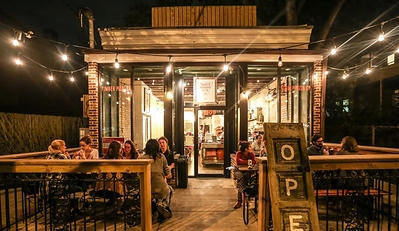
Timber Pizza Co. storefront and patio seating, used with coverage of its Maryland franchise expansion.
Timber Pizza Co. is turning another local relationship into a franchise growth story, signing Kyle and Carolyn McDonnell for two planned Maryland restaurants in Chevy Chase and Bethesda. The agreement gives the Washington-born pizza brand a new husband-and-wife operating group in Montgomery County, one of the most attractive but site-sensitive restaurant markets in the DMV. Carolyn McDonnell grew up in nearby Kensington, while Kyle McDonnell brings business and franchise experience that includes the hotel sector and co-ownership of Old Line Golf Club in Annapolis.
That local connection matters because Timber is not trying to sell the same growth story as a national commodity pizza chain. Its pitch is built around wood-fired pizza, neighborhood hospitality and an existing events business that has already put the brand in front of Maryland customers through food trucks and catering.
The McDonnells first got to know Timber when the company catered the grand opening of Old Line Golf Club. What began as a vendor relationship developed into a closer connection with the brand and its leadership, giving the couple a view of how Timber operates before they signed for stores of their own.
For a young franchise system, that path is useful. It means the next operators are not only buying into a concept from a deck; they have seen the food, service model and community positioning in practice.
Timber said the deal is its seventh franchise group and will move the company closer to a stated goal of reaching 15 locations by the end of 2027. The brand already has a Maryland presence, and the Chevy Chase and Bethesda search puts the next phase in dense, high-income communities where restaurant execution and real estate discipline will be tested quickly.
Those neighborhoods also change the nature of the expansion test. A pizza brand that works at events and high-energy urban sites still has to prove it can hold everyday relevance when rent, labor and guest expectations are all high. The McDonnells' local familiarity should help, but the brand will still need stores that feel rooted rather than imported.
The development also reflects a broader franchise theme: local operators are increasingly being asked to bring more than capital. The strongest candidates often arrive with community ties, adjacent business experience and a clear sense of how a brand will fit a specific trade area.
That is especially true for regional brands trying to franchise without sanding off the personality that made them attractive. Timber's challenge is to turn a founder-led restaurant culture into repeatable operating support while giving each operator enough room to become a neighborhood place.
For Timber, the McDonnell agreement gives the system a local-family growth angle without losing the founder-led feel that made the original concept travel in the first place. The harder work now shifts to site selection, opening cadence and preserving the hospitality promise as the company adds restaurants beyond its early base.